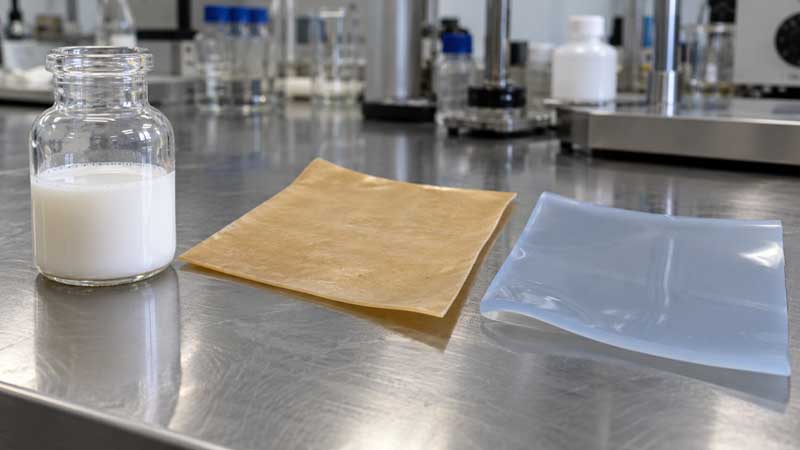
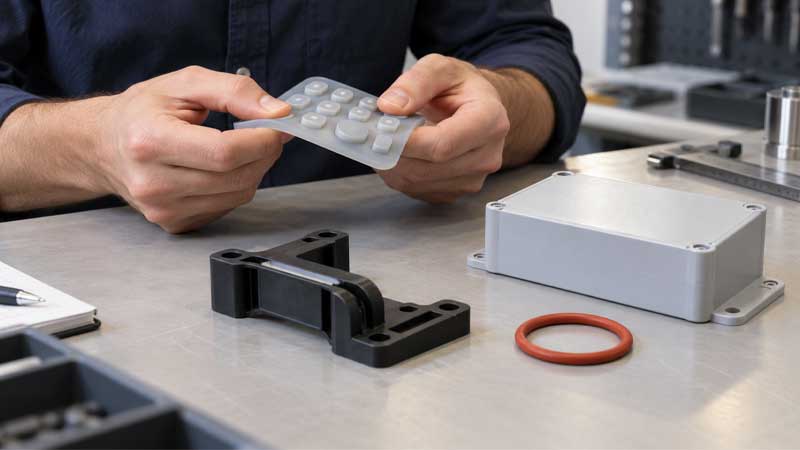
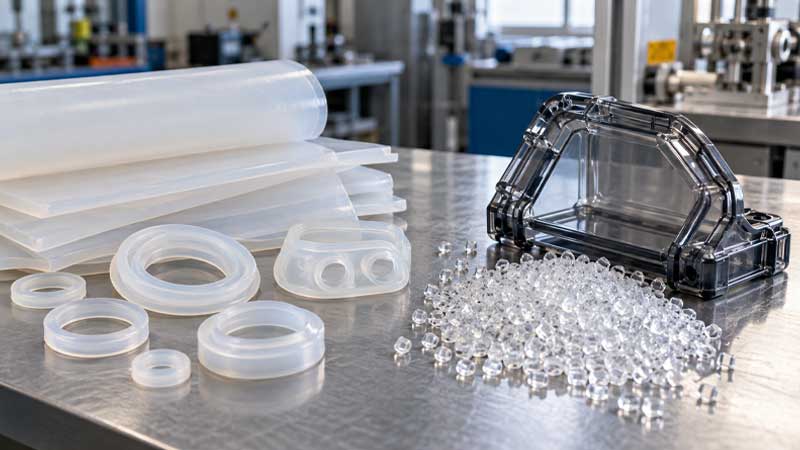
The tactile feedback of physical buttons in user interfaces and devices helps users recognize activation with each keystroke. The tactility mechanism in tactile silicone rubber keypads differs from that in tactile membrane keypads. The latter depend on the button’s material, hardness, and structure design, as well as essential snap metal or polydomes.
The Importance of Tactile Feedback in Switches & User Interfaces
What Is Tactile Feedback?
Tactile feedback is one type of distinct feedback that refers to a physical sensation signaling that a button has been pressed and activated successfully. This response is useful for devices, control panels, and remotes because it allows users to focus on more important tasks instead of repeatedly checking if a key has been actuated.
What Are the Benefits of Tactile Feedback for Your Physical Buttons?
Tactile feedback relates to precise input, an accelerated user experience, and operational safety. Vehicles and automotive control consoles with tactile feedback, such as tactile silicone rubber keypads, help users develop muscle memory and perform operations blindly.
Furthermore, tactile feedback reduces external interference from ambient impacts, vibration, and shock. This allows users to focus more on their surroundings and potential accidents.
How does tactile feedback work in a membrane switch keypad?
Unlike capacitive or resistive touchscreens or force-sensing resistors, which apply only non-tactile designs, membrane switch keypads have a more flexible design. They can be tactile or non-tactile, and are common and reliable choices for integrating into user interfaces or operator interface terminals (OITs).
Tactile membrane keypads are a classic type of momentary switch that offers tactile feedback when a button is pressed, providing the user with a physical response from the tactile components.
These switches can integrate with embedded metal or polyester snap domes for rapid responsiveness.
Factors that affect the tactile response of tactile rubber keypads and membrane keypads
Actuation Force, Return Force & Snap Ratio
Actuation force, return force, and snap ratio are essential features of physical buttons, including silicone buttons, rubber keypads, and membrane keypads. These features also affect the tactile feedback you experience when interacting with control consoles and devices.
Return force determines how quickly forced keys rebound after being pressed, which accelerates operational fatigue and negatively impacts the user experience during rapid input and continuous keystrokes.
Snap ratio, on the other hand, is influenced by actuation force and contact force. This feature evaluates the level of tactile response; a higher ratio indicates more pronounced feedback.
Hardness of Materials in Keypad
The hardness of the surface for interaction between your finger and complex machines also affects the mentioned actuation force as well as responsiveness.
In some control consoles or panels with multiple keys, SKF offers reliable interaction HMI solutions with enhanced operation experience, providing custom dual-durometer rubber keypads, which are equipped with smooth touch and hard keys in automotive user interfaces, marine control consoles, and heavy-duty vehicle interfaces.
Electrical Contacts with Different Response
Electrical contacts are an essential part to ensure signal transmission as well as tactile response and acoustic feedback. Selection of contacts is significant for both rubber keypads and membrane keypads. Metal domes offer crisp tactile response, whereas polydomes have moderate feedback.
Differences Between Tactile Silicone Keypad and Tactile Membrane Keypad
Specs Differences Between Tactile and Silicone Keypad and Tactile Membrane Keypad
| Features | Tactile Silicone Keypads | Membrane Keypad |
|---|---|---|
| Actuation Force | Low to High | Low |
| Travel (Stroke) | 1.0~3.0mm | 0.1~0.6mm |
| Snap Ratio | 40~60% with pleasant experience | 30~60% |
| Key Profile | Low to high options | Slim profile typically |
| Surface Finish | Diverse gloss level, textured | Pillow, rim, and dome emboss on graphics overlay |
| Snap Domes Selection | Metal domes usually | Metal domes or polydomes (polymer domes) |
| Shapes of Tactile Domes | Circle, four-leg with optional center hole, triangle, rectangular, and other custom shapes | Circle domes |
| Tactility Construction | Web structure | Multi-layer membrane construction |
| Durometer Hardness | 50~65 Shore A | Mohs 3 |
| Touch Experience | Soft or snappy response options | Crisp feedback with metal domes and moderate response with polydomes |
| Surface Finish | Matte, glossy, velvet, textured., etc | More flexible deisgns including different gloss level, brushed finish, rubber-like touch, clear hardcoat |
| Reliability | Excellent | Good |
| Lifetime of Snap Domes | Excellent with metal domes | Great |
| Life Cycle of Keypads | 1,000,000~2,000,000 cycles | 1,000,000 cycles |
Materials of Tactile Domes: Metal Domes in Rubber Keypads and Polydomes in Membrane Keypads
Metal domes, applied in tactile rubber keypads as reliable and durable components, typically are made of stainless steel, phosphor bronze, or beryllium. The slim construction and excellent elasticity of metal domes offer a pronounced tactile response.
In contrast, polydomes, which are utilized in membrane keypads for rapid tactile response, generally consist of the embossed polyester (PET) overlay coated with conductive ink on the back side.
But the tactile mechanism of both keypads is similar: actuated by force.
Distinct Tactile Mechanism & Location of Components for Tactility In Construction
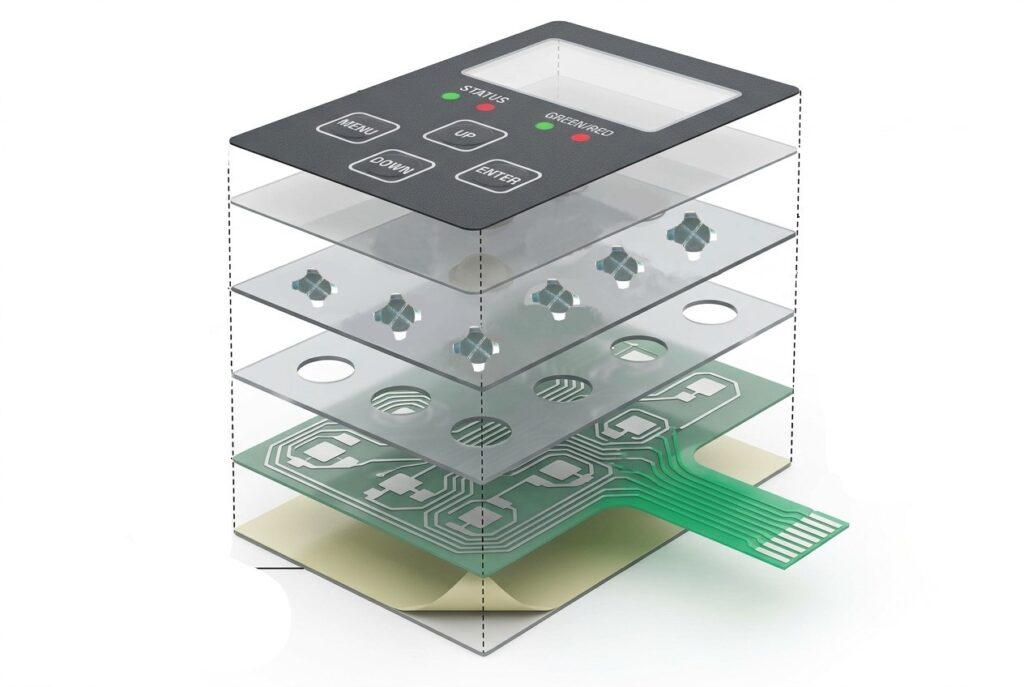
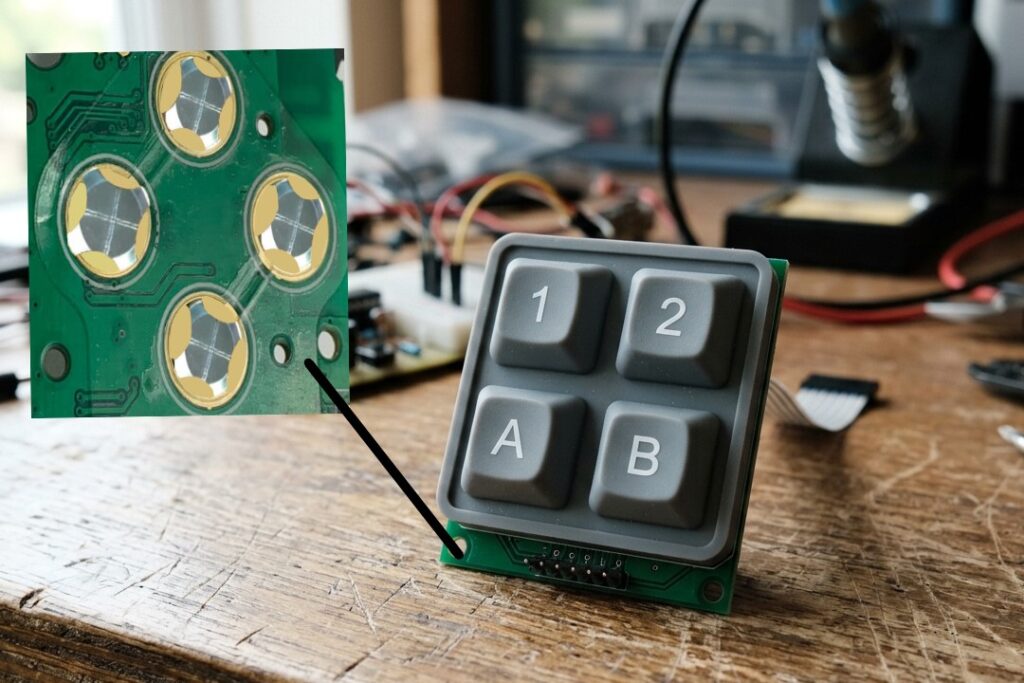
Tactile response mechanisms of both tactile silicone keypads and tactile membrane keypads depend on external force from fingers, typically a deformable and elastic structure, and closure of conductive contacts and contacts of the PCB.
But the tactile component locations of these two types of tactile silicone rubber keypads are different.
In terms of tactile silicone rubber keypads, conductive pills are molded on the back of corresponding silicone buttons, and metal domes are mounted or bonded by adhesives on the surface of circuit boards.
In terms of tactile membrane keypads, polydomes are typically used in interactive user interfaces. Besides, tactile polydomes are located generally in the tactile layer, which is between the outer graphics overlay and the spacer layer. And selective adhesive layer and spacer layer are designed with empty holes for snap domes, allowing polydomes to locate above contacts on the circuit board layer.
Tactile Feedback Issues of Tactile Silicone Keypad and Tactile Membrane Keypad
In a tactile rubber keypad, tactile feedback may get poor due to metal fatigue from heavy use and reduced responsiveness efficiency, contaminations on domes, the ingress of moisture or oxidation layer on contacts with haptic feedback instability, or incomplete alignment of snap domes and contacts of circuitry.
Instead of replacement of failed domes for your tactile rubber keypads, you can try the following methods, involving:
- Removal of contamination: Clean and wipe the surface of domes and PCBs with a clean cloth, and you can utilize isopropyl alcohol to deal with oily substances and stubborn residues.
- Alignment and adjustment: Align the legs (pins) and center holes to proper position, ensuring better connection
Tactile issues and troubleshooting of metal domes in membrane keypads are similar to tactile rubber keypads utilized with snap metal domes. Due to the multi-layer construction of the membrane keypad, you should also check for these situations:
- If tactility of snap domes is diminished, excessive thickness of adhesive layer underneath graphics overlay may be the reason.
- Lack of air paths or improper design may result in stuck keys.
- Muffy touch of snap domes can be caused by degraded domes by extreme temperature and deformation permanently.
FAQs
Will a metal dome rust in tactile silicone keypads?
No, SKF provides tactile silicone keypads with stainless steel metal domes, and the surface of the domes is formed with protective chromium oxide to prevent rust.
What is the difference between tactile feedback and haptic feedback?
Tactile feedback is physical sensation and pressure that is felt by the skin during interaction, whereas haptic feedback contains tactile feedback (vibrations, spatial surface friction, and complex electro-simulation) and kinesthetic feedback.
How can I improve tactile feedback in tactile silicone keypads?
Choose high-key profile metal domes, including four-leg domes or domes with a center dimple, allowing a crisp and stronger tactile response.
Will the size of keys affect tactile feedback in tactile keypads?
Yes, oversized silicone buttons and large keys in membrane switches have poor responses. Tactile silicone keypads have design flexibility of tactility between high- and low-key profiles without height limitations like space-constrained tactile membrane keypads.
Can I combine polydomes and metal domes in tactile keypads?
Yes, a tactile keypad can integrate with a hybrid dome switch.
Final Thoughts
Overall, the main differences between a tactile silicone rubber keypad and a tactile membrane keypad lie in the distinct construction and utilization of metal domes or polydomes. The slim structure of the membrane switch determines shorter travel and lower actuation force, offering improved tactile response by metal domes or moderate feedback by polydomes.
SKF also offers a tactile rubber keypad with reliability and robustness as well as an elastomer keypad integrated with a membrane keypad and graphics overlay.