
PU Coated Silicone Keypads Manufacturer
SKF manufactures custom PU coated silicone keypads for equipment that requires additional surface protection, clear graphic identification, and consistent tactile operation.
By combining silicone rubber keypad structures with polyurethane (PU) surface coating, SKF helps OEM customers develop user interfaces where repeated pressing, cleaning processes, and long-term graphic visibility are important design considerations.
Since 2012, SKF has supported custom silicone keypad projects from initial design review and tooling development to production inspection. Our engineers evaluate keypad structure, coating requirements, graphic design, and application conditions together to develop suitable keypad solutions for different equipment requirements.
What Are PU Coated Silicone Keypads?
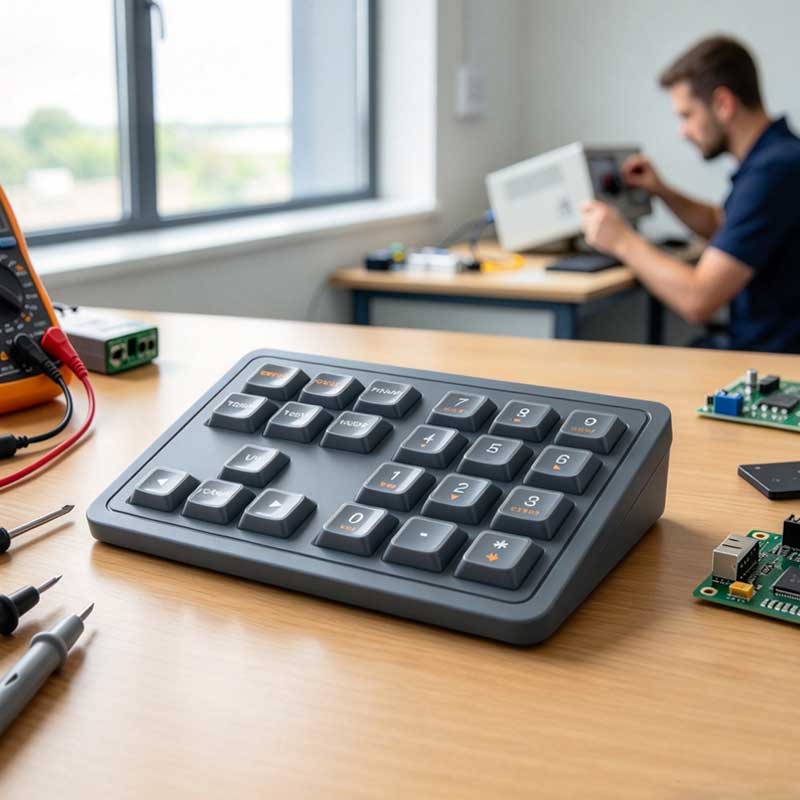
PU coated silicone keypads are silicone rubber keypads with a polyurethane protective coating applied to selected surface areas.
The silicone rubber part provides the mechanical function of the keypad, including tactile feedback, key travel, actuation force, and electrical contact performance. The PU coating adds an additional surface layer that helps protect exposed areas such as printed legends, symbols, and frequently touched button surfaces.
Compared with standard silicone keypads, PU coated silicone keypads are generally selected when the keypad will experience frequent operation or when maintaining surface appearance and graphic readability is important.
The final performance of a PU coated keypad depends on several design factors, including silicone material selection, dome structure, coating coverage, graphic process, operating environment, and cleaning requirements.
A suitable coating design should balance surface protection with the original keypad functions.
PU Coated vs Epoxy vs Protective Coated Silicone Keypads
Different coating solutions are designed for different product requirements.
| Product Type | Main Design Focus | Common Requirement |
|---|---|---|
| PU Coated Silicone Keypads | Functional surface protection | Frequent operation, graphic protection, surface wear considerations |
| Epoxy Coated Silicone Keypads | Decorative surface enhancement | Glossy appearance, raised button effect, visual design requirements |
| Protective Coated Silicone Keypads | General coated keypad category | Applications requiring additional keypad surface protection |
PU coating is mainly considered when the keypad needs additional protection during repeated user interaction.
Epoxy coating is usually selected when appearance, surface finish, and decorative effects are stronger priorities.
Protective coated silicone keypads cover a wider range of coating requirements and serve as a general category for customers evaluating different surface protection options.
SKF reviews the equipment environment, user operation method, graphic requirements, and expected product usage before recommending a suitable coating approach.
PU Coated Silicone Keypads Engineering Overview
Coating Selection Based on Product Requirements
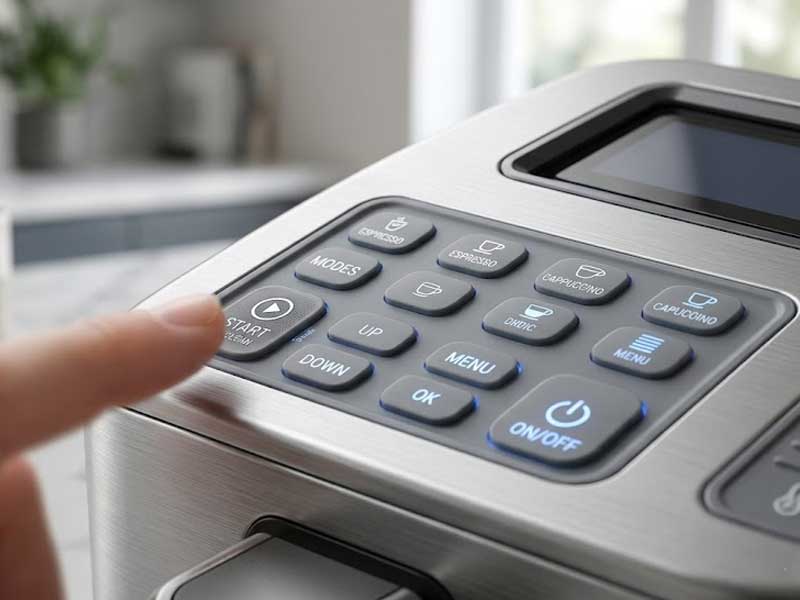
The correct coating choice depends on how the keypad will be used.
Before production, SKF evaluates:
- Button operation frequency
- Contact area between user and keypad
- Graphic protection requirements
- Cleaning conditions
- Surface appearance expectations
A keypad used several times per day may require different surface treatment compared with a control panel operated continuously in an industrial environment.
The coating design should match the actual working conditions rather than simply adding the thickest possible protection layer.
Protecting Graphics During Long-Term Operation
Many silicone keypads use printed numbers, icons, symbols, or functional markings to guide users.
During repeated operation, these areas are exposed to direct contact from fingers, gloves, and cleaning processes. Over time, surface wear may affect readability depending on the application environment.
PU coating creates an additional protective surface above selected areas to help protect important graphic information.
SKF considers:
- Graphic location
- Button frequency of use
- Coating coverage area
- Required visual appearance
during the design stage.

Maintaining Tactile Performance After Coating
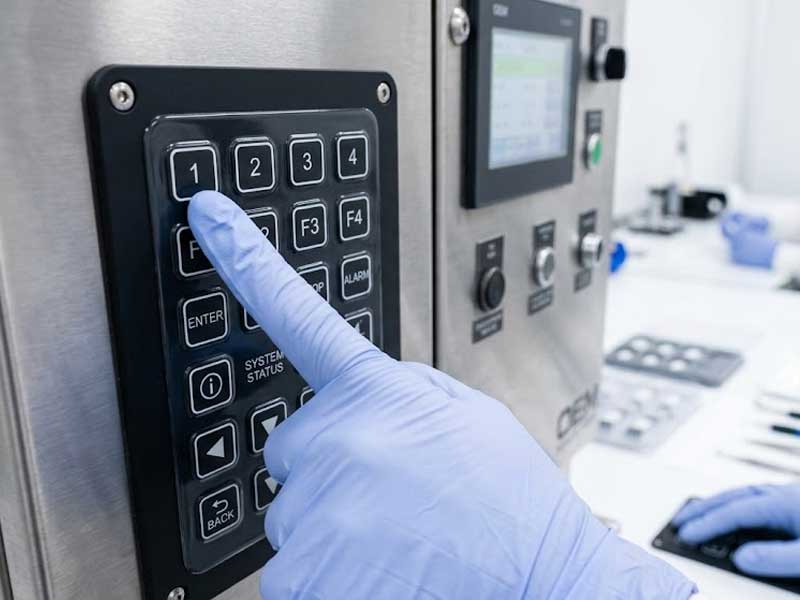
A common concern with coated silicone keypads is whether surface treatment changes the operating feel.
The tactile response of a silicone keypad mainly depends on:
- Dome geometry
- Rubber web structure
- Silicone hardness
- Actuation force
- Key travel
The PU coating should be considered together with the keypad structure.
SKF engineers review coating requirements during development to help maintain the intended pressing experience while adding surface protection.
OEM Engineering Support Before Tooling
PU coated silicone keypads involve coordination between several processes:
- Silicone molding
- Graphic printing
- Surface coating
- Assembly integration
Before tooling, SKF reviews:
- Key geometry
- Rubber structure
- Coating area
- Parting line position
- Assembly requirements
This early review helps identify possible manufacturing risks before tooling investment.

What Problems Can PU Coating Solve?
Surface Wear on Frequently Used Buttons
Repeated pressing creates continuous contact between the user and keypad surface. Depending on the operating environment, untreated surfaces may experience changes in appearance over time. PU coating adds a protective layer that helps reduce direct surface wear on selected areas.
Loss of Graphic Identification
When printed legends become unclear, users may have difficulty identifying button functions. PU coating helps protect important symbols, numbers, and markings by adding a protective surface above the graphic layer. The effectiveness depends on graphic process, coating design, usage conditions, and cleaning methods.
Surface Exposure During Cleaning
Cleaning processes can affect keypad surfaces depending on the cleaning agent, frequency, and exposure time. A suitable PU coating design considers the relationship between surface protection and the customer's cleaning requirements. SKF recommends evaluating these conditions before finalizing the coating specification.
PU Coated Silicone Keypads Applications
Industrial Control Equipment
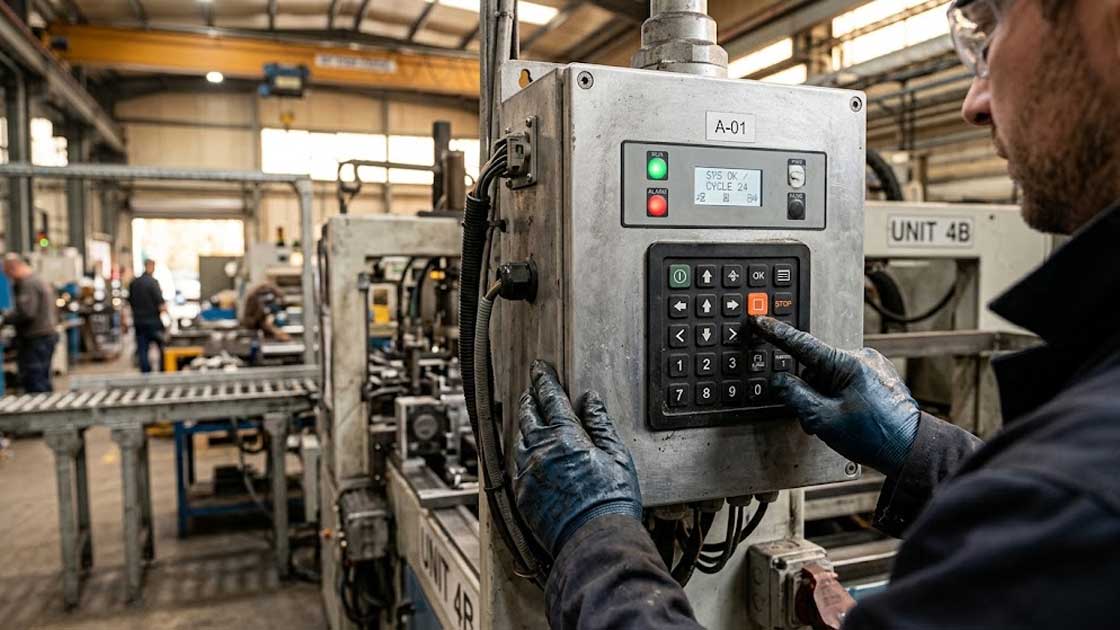
Industrial control interfaces often operate under demanding working conditions, including frequent button operation, dust exposure, and regular maintenance. For these applications, PU coated silicone keypads help protect surface markings and support long-term user interaction. SKF evaluates key sealing requirements, operating force, mounting structure, and environmental conditions during keypad development to ensure the keypad design matches the equipment requirements.
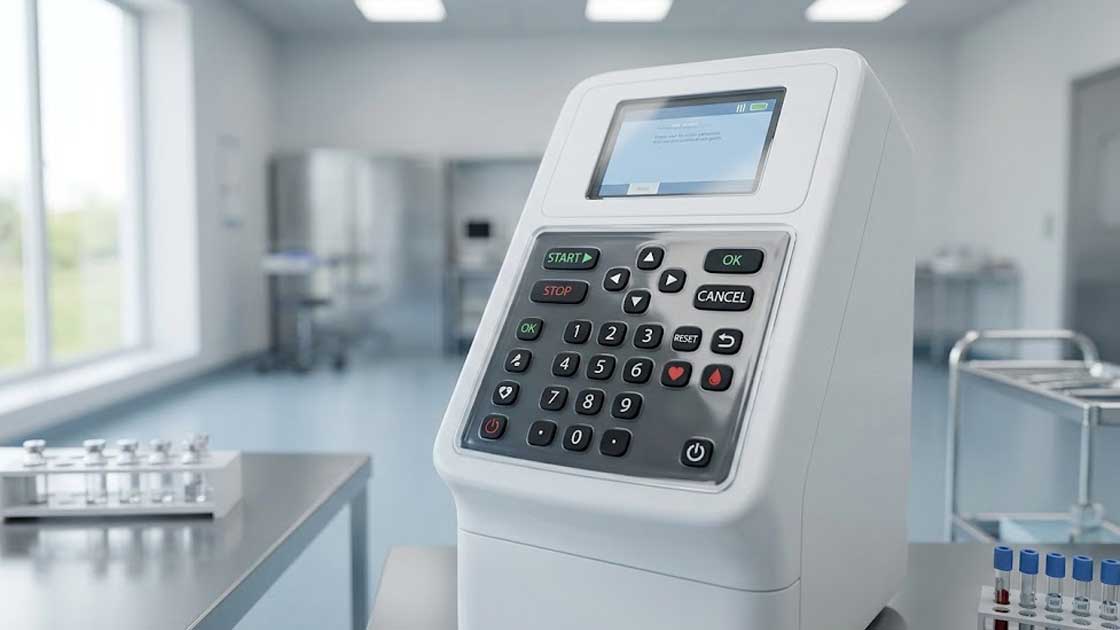
Medical Equipment Interfaces
Medical equipment requires clear controls that remain identifiable during repeated operation and cleaning procedures. PU coated silicone keypads can help protect printed legends on frequently used buttons while maintaining the tactile response required by operators. SKF evaluates cleaning requirements, user operation conditions, graphic visibility, and keypad structure according to the equipment application to support suitable surface coating and keypad design.

Automotive and Transportation Controls
Automotive and transportation interfaces require consistent appearance and operation throughout extended service periods. PU coated silicone keypads can be developed for applications where button labeling, surface protection, and tactile feedback are important considerations. SKF reviews environmental exposure, material selection, and interface requirements during development to ensure the coating design works together with the overall keypad structure.

Electronic Equipment Interfaces
Electronic equipment designers often need keypads that match product appearance while providing reliable user interaction. SKF supports custom layouts, graphic processing, coating design, and production development according to product requirements. During development, SKF considers surface appearance, button arrangement, tactile performance, and assembly requirements to help create silicone keypad interfaces suitable for different electronic products.
PU Coated Silicone Keypad Customization Options
The silicone rubber structure determines how the keypad operates.
SKF can evaluate:
- Key layout
- Dome structure
- Web design
- Silicone hardness
- Contact method
according to required tactile feedback and equipment integration.
Graphics are an important part of many keypad interfaces.
SKF supports different graphic requirements, including:
- Printed legends
- Functional symbols
- Numbers and icons
- Backlighting considerations
The graphic process and PU coating design are reviewed together to maintain visibility and surface protection.
Different products require different operating experiences.
A medical device, industrial control panel, and electronic terminal may require different pressing forces.
SKF adjusts:
- Silicone material selection
- Dome geometry
- Rubber web structure
to achieve the required actuation force and tactile response.
Silicone keypads can be designed with different contact solutions according to the PCB interface.
Available options may include:
- Carbon pills
- Metal domes
- Conductive contact designs
The suitable option depends on electrical requirements and product structure.
Start Your PU Coated Silicone Keypad Project
PU coated silicone keypads are selected when equipment requires additional surface protection while maintaining clear graphics and consistent user interaction.
The right coating approach depends on the relationship between silicone structure, coating design, graphics, and operating environment.
SKF supports OEM customers with product evaluation, engineering review, tooling development, coating design, and production manufacturing.
Send your drawings, samples, or application requirements to discuss your PU coated silicone keypad project.
PU Coated Silicone Keypad Design Options
Black Numeric PU Coated Silicone Keypad
White Square PU Coated Silicone Keypad
Blue Directional PU Coated Silicone Keypad
Gray Multimedia PU Coated Silicone Keypad
Round Black Function PU Coated Silicone Keypad
Purple F-Key PU Coated Silicone Keypad
How SKF Develops PU Coated Silicone Keypads
Requirement Review
Every project begins with understanding the equipment requirements. SKF reviews the application environment, keypad function, graphic requirements, coating expectations, and assembly conditions before defining the appropriate keypad structure and coating approach. This evaluation helps ensure the surface treatment matches the actual operating conditions and product requirements.
Engineering Review Before Tooling
Before mold development, SKF engineers evaluate the keypad design to identify potential manufacturing considerations. The review covers key geometry, rubber web structure, coating coverage, parting line position, and assembly requirements. Early design review helps identify possible issues before tooling development and allows adjustments to improve production feasibility.
Tooling and Silicone Molding
After design approval, tooling is developed according to the confirmed keypad structure. During silicone molding, SKF controls key dimensions, dome consistency, surface quality, and production repeatability to maintain stable keypad performance throughout manufacturing. The molding process is coordinated with the requirements of the final coated keypad design.
PU Coating and Surface Processing
The PU coating process is coordinated with graphic processing and keypad requirements. SKF considers coating area, surface appearance, graphic position, and final application requirements to maintain consistent production results. The coating design is evaluated together with the keypad structure to support both surface protection and user interaction requirements.
Final Inspection
Finished PU coated silicone keypads are inspected according to approved product requirements. SKF evaluates surface appearance, coating condition, graphic quality, key operation, electrical contact performance, and assembly compatibility to confirm that the finished keypad meets the defined specifications before shipment.
PU Coated Silicone Keypads Quality Considerations
Quality control for PU coated silicone keypads requires attention to both keypad function and surface treatment.
SKF evaluates important factors during production, including:
Surface and Coating Inspection
The coating surface is inspected for coverage consistency, visible defects, surface appearance, and overall coating condition. SKF reviews the coated areas to ensure the surface treatment meets the expected appearance and protection requirements while maintaining consistency across production parts.
Graphic Inspection
Printed information is reviewed for position accuracy, symbol clarity, appearance consistency, and graphic quality. For keypads with functional markings or user guidance symbols, SKF checks that printed elements remain clear and correctly positioned according to the approved design.
Functional Inspection
Keypad operation is evaluated according to product requirements, including key movement, tactile response, actuation performance, and electrical contact performance. SKF considers the relationship between the silicone structure, coating process, and final operating feel to help maintain the intended user interaction.
Assembly Verification
For OEM projects, keypad dimensions and structural features are reviewed to ensure compatibility with the customer's equipment design. Inspection requirements can be adjusted according to customer specifications and application needs, allowing the quality process to match different product requirements and application environments.
Typical PU Coated Silicone Keypad Specifications
| Specification | Typical Reference |
|---|---|
| Product | PU Coated Silicone Keypads |
| Base Material | Silicone rubber |
| Surface Treatment | Polyurethane (PU) coating |
| Silicone Hardness | Selected according to application requirements |
| Actuation Force | Customized according to user requirements |
| Key Travel | Customized according to keypad structure |
| Contact Options | Carbon pills, metal domes, PCB contacts |
| Graphic Options | Screen printing, laser marking, functional legends |
| Surface Options | PU coated surface according to project requirements |
| Backlighting | Available with suitable graphic and structural design |
| Applications | Industrial equipment, medical devices, automotive controls, electronic interfaces |
Final specifications depend on keypad structure, coating requirements, application conditions, and approved samples.
PU Coated Silicone Keypads FAQ
What is PU coating used for on silicone keypads?
PU coating adds an additional protective layer to silicone keypad surfaces. It is mainly used to protect printed graphics, reduce surface wear, and improve surface protection during repeated operation.
Can PU coating be applied only to selected areas?
Yes. PU coating coverage can be designed according to button usage, graphic location, surface protection requirements, and product appearance expectations.
How long does PU coating last on silicone keypads?
The service life of PU coating depends on factors such as operating frequency, cleaning method, environmental exposure, coating design, and keypad usage conditions.
SKF evaluates these factors during development rather than defining performance only by coating type.
What is the difference between PU coated and epoxy coated silicone keypads?
PU coating is mainly selected for functional surface protection where frequent operation and graphic protection are important.
Epoxy coating is commonly considered when customers require decorative surface effects, glossy appearance, or a harder surface finish.
Does PU coating affect tactile feedback?
The tactile response mainly depends on silicone material, dome structure, rubber web design, and keypad geometry.
SKF evaluates coating requirements together with keypad mechanics to maintain the intended operating feel.
Can PU coated silicone keypads support backlighting?
Yes. PU coated silicone keypads can be designed for backlit applications by considering graphic processing, light transmission requirements, and coating areas together.
Can PU coated silicone keypads be used outdoors?
Outdoor suitability depends on the selected silicone material, coating design, environmental exposure, and product requirements.
SKF evaluates temperature, weather exposure, and operating conditions before recommending a suitable design.
What information does SKF need for a PU coated silicone keypad quotation?
Please provide:
- Keypad drawing or sample
- Application equipment
- Required quantity
- Operating environment
- Graphic requirements
- Coating requirements
- Actuation force requirements
- Assembly information
- Testing requirements