
Epoxy Coated Silicone Keypads Manufacturer
Epoxy coated silicone keypads combine silicone rubber switching structures with epoxy resin surface designs. The epoxy layer creates a distinctive button interface with protected graphics and enhanced visual appearance.
SKF supports OEM projects requiring specialized keypad surfaces for industrial equipment, medical instruments and professional electronic devices.
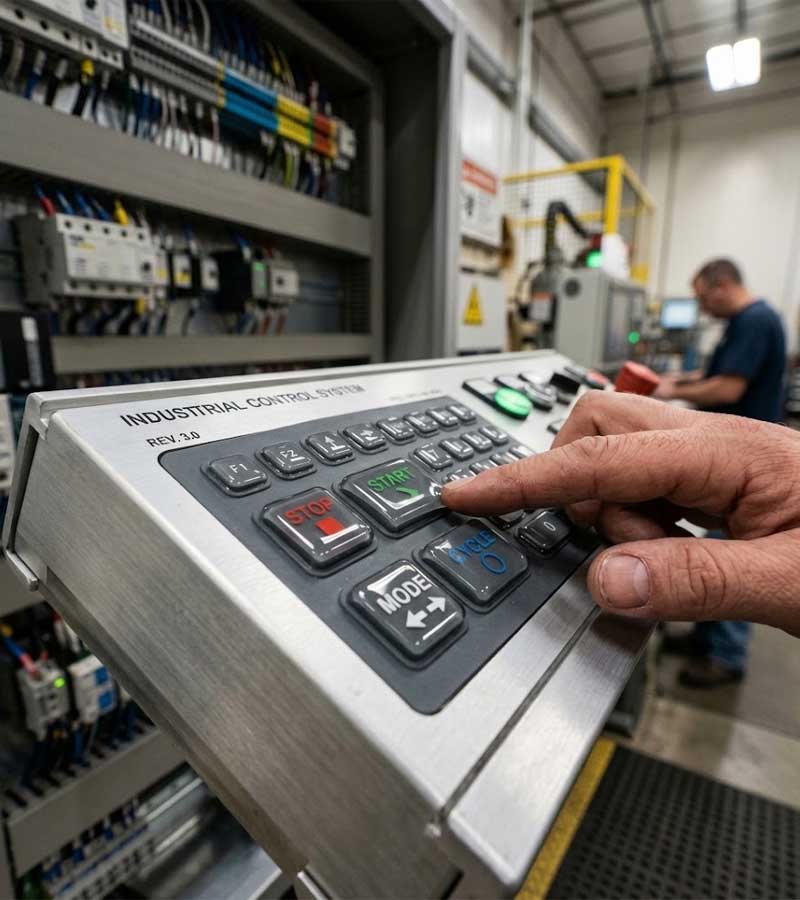
What Are Epoxy Coated Silicone Keypads?
Epoxy coated silicone keypads are silicone rubber keypads with an epoxy resin layer formed on selected button surfaces. This design combines the switching function of silicone rubber with a resin-based surface structure that improves button appearance, protects graphic layers and creates a different user interface experience.
The silicone rubber structure controls key movement, tactile response, elastic recovery and electrical switching, while the epoxy resin layer creates the external button surface with raised button effects, encapsulated graphics and customized surface finishes.
Unlike standard silicone keypads where users directly contact the molded rubber surface, epoxy coated silicone keypads add a resin interface layer between the user and the silicone structure. This allows engineers to design keypads with clearer button identification, improved graphic presentation and a more refined surface appearance.
The final performance depends on how the epoxy layer works with the silicone structure underneath. SKF evaluates factors such as epoxy thickness, button geometry, silicone hardness and contact design to ensure the keypad meets both visual requirements and functional performance.
Key Design Features of Epoxy Coated Silicone Keypads
Three-Dimensional Epoxy Dome Surface
One of the defining features of epoxy coated silicone keypads is the raised resin surface formed on selected silicone buttons. Unlike standard silicone keypads that rely on the molded rubber surface for user interaction, epoxy dome structures create a more defined button interface with visible height and surface differences. The epoxy dome design helps improve button recognition and creates a more refined appearance for equipment interfaces where users need clear identification between different functions. However, the dome height must be carefully controlled because excessive resin thickness can affect key spacing, housing clearance and the overall pressing experience. SKF evaluates resin volume, button geometry and surrounding layout during development to ensure consistent epoxy dome formation while maintaining the required tactile performance.
Encapsulated Graphic Surface
Epoxy coated silicone keypads can integrate printed graphics beneath the resin layer, creating a sealed visual interface between the user and the printed symbols. Compared with exposed screen printing, the epoxy structure places the graphic layer below the surface contact area. This design helps maintain symbol visibility and creates a deeper visual effect through the transparent or colored resin layer. The final appearance depends on several engineering factors, including printing position, ink compatibility, epoxy transparency and surface cleanliness. Small alignment or contamination issues can become more noticeable after resin encapsulation. SKF reviews the printing and epoxy processes together to control graphic positioning, resin coverage and final visual consistency.
Resin Surface Appearance and Interface Design
Epoxy resin changes the surface appearance of silicone keypads by creating a smooth and controlled button finish. The resin surface can provide a different visual contrast between buttons and help equipment designers create a more refined user interface. The final appearance is influenced by resin formulation, surface preparation, curing conditions and the original silicone molding finish. These factors need to be controlled together because the epoxy layer reflects surface defects differently from soft silicone rubber. SKF validates appearance requirements through prototype evaluation before mass production to confirm the expected gloss level, surface quality and overall interface design.
Hard Surface Contact Feeling
Silicone rubber naturally provides a soft and elastic touch, while epoxy resin creates a harder contact surface above the silicone structure. This difference changes how users perceive the button during operation. The challenge is maintaining the intended switching response while adding a resin surface layer. The final operating feeling depends on the interaction between epoxy thickness and the internal silicone design, including silicone hardness, rubber web structure and key travel. SKF adjusts these design factors during development to balance surface characteristics with tactile performance, ensuring the keypad still provides the required operating response after epoxy application.
Optical Quality and Resin Surface Control
Transparent epoxy designs require additional attention because the resin layer becomes part of the visible interface. Any internal or surface defect may affect the appearance of the finished keypad. SKF controls factors such as resin preparation, application conditions, curing process and appearance inspection to reduce issues including air bubbles, uneven gloss, resin flow marks and surface contamination. For epoxy coated silicone keypads with printed graphics or transparent surfaces, optical quality control is especially important because the resin layer directly influences graphic clarity and product appearance.
Engineering Considerations for Epoxy Coated Silicone Keypads
Epoxy coated silicone keypads require evaluation of both the silicone switching structure and the resin surface design. The epoxy layer is not an independent decoration process. It changes the button surface height, visual appearance and user contact feeling, so engineers need to consider how the epoxy resin geometry works together with the silicone rubber structure, printed graphics, electrical contact system and equipment assembly requirements. SKF reviews these factors before tooling to identify potential design risks and avoid modifications after production begins. This approach helps ensure the epoxy surface design, keypad function and final equipment integration work together properly.
Epoxy thickness is one of the most important design factors for resin-coated keypad surfaces.
Adding epoxy resin increases the total button height. If the thickness is not controlled, it may affect:
- Key travel
- Actuation force
- Button spacing
- Mechanical clearance
The relationship between epoxy thickness and tactile performance depends on the complete keypad structure.
SKF engineers evaluate:
- Original silicone dome design
- Rubber web thickness
- Button diameter
- Required pressing force
- Target user feeling
A thicker epoxy surface is not automatically better. The correct thickness depends on the balance between visual appearance, surface protection and keypad operation.
Epoxy coated silicone keypads often require controlled resin forming rather than simple surface application.
The resin needs to create a consistent surface shape without:
- Uneven height
- Edge overflow
- Air bubbles
- Surface marks
The final epoxy dome depends on:
- Resin volume
- Button top geometry
- Surface tension
- Curing conditions
During DFM review, SKF checks whether the silicone button structure can support the intended epoxy shape.
For example, a small button with a narrow spacing area may require different resin control compared with a large raised function key.
Silicone rubber has a low surface energy, which creates challenges when bonding additional materials.
The connection between silicone and epoxy requires attention to:
- Surface preparation
- Material compatibility
- Processing conditions
- Curing control
Poor adhesion may cause:
- Edge lifting
- Surface separation
- Coating failure after repeated operation
SKF evaluates the silicone compound and epoxy system together instead of selecting the resin separately.
This approach helps improve consistency between the rubber base and the surface layer.
The original silicone button design affects the final epoxy appearance.
SKF evaluates:
- Button diameter
- Top surface shape
- Edge radius
- Button spacing
- Surrounding panel structure
Different button designs create different epoxy results.
For example:
A wide flat button can support a larger epoxy surface area and clear graphic display.
A small raised button requires tighter control of resin volume and edge transition.
The mold design needs to support both silicone molding accuracy and epoxy surface requirements.
Epoxy coating changes the user’s first contact with the keypad, but the main switching response still comes from the silicone structure.
The tactile response is influenced by:
- Silicone hardness
- Rubber web geometry
- Dome design
- Conductive contact position
- Key travel
SKF validates coated samples because the final user experience cannot be predicted only from silicone specifications.
Prototype testing may include:
- Actuation force measurement
- Travel measurement
- Return response evaluation
- User operation testing
Epoxy coated silicone keypads often combine printed graphics with resin encapsulation.
The graphic layer must be positioned correctly before epoxy forming.
SKF controls:
- Artwork alignment
- Print registration
- Resin coverage area
- Symbol visibility
A small printing deviation may become more noticeable after clear epoxy is added because the resin layer creates visual magnification.
For this reason, printing approval and epoxy validation are handled together during development.
The epoxy surface affects the top of the keypad, but electrical switching depends on the internal contact structure.
Common contact methods include:
Carbon Pill Contact
Carbon pills provide electrical switching through compression between the silicone keypad and PCB pads.
SKF evaluates:
- Carbon pill location
- Contact size
- Compression distance
- PCB pad design
Incorrect positioning can lead to inconsistent electrical performance.
Conductive Silicone Contact
Conductive silicone can be selected when the design requires an integrated conductive material.
The engineering review focuses on:
- Conductive material properties
- Compression behavior
- Contact resistance
- Expected operating cycles
The contact system must be validated together with the silicone structure.
Develop Your Epoxy Coated Silicone Keypad With SKF
Epoxy coated silicone keypads require careful coordination between silicone molding, graphic printing, resin forming and keypad performance.
SKF supports OEM projects through:
- Epoxy surface design review
- Silicone structure optimization
- Prototype development
- Tooling evaluation
- Mass production validation
Send your keypad drawing, surface requirements or existing sample to SKF. Our engineering team can review the epoxy structure, resin forming feasibility and production requirements before tooling development.
Epoxy coated Silicone Keypad Types We Can Develop
Clear Epoxy Coated Keypads
Colored Epoxy Coated Keypads
Raised Epoxy Button Keypads
Epoxy Coated Backlit Keypads
Applications of Epoxy Coated Silicone Keypads

Medical Analyzer Interfaces
Medical analyzers and laboratory instruments require keypad interfaces that allow operators to identify functions quickly during repeated testing procedures. The buttons need to maintain clear visual information while providing consistent operation throughout daily use. Epoxy coated silicone keypads create a smooth resin surface above printed legends, helping protect functional symbols while maintaining a clean and professional interface appearance. The epoxy surface design allows engineers to combine graphic visibility with the tactile performance required for medical equipment operation. SKF evaluates factors such as graphic positioning, button identification, cleaning requirements and tactile response during development. Typical applications include blood analyzers, diagnostic instruments and laboratory testing equipment where interface clarity and long-term appearance are important.

Security Access Terminals
Security access terminals often rely on numeric and function buttons that users must recognize quickly during frequent operation. The keypad interface needs to maintain clear markings, consistent button positioning and a professional appearance over extended use. Raised epoxy coated silicone keypads create visible separation between buttons while encapsulating printed numbers or symbols beneath the resin surface. This structure helps improve button recognition and provides a more defined interface compared with standard flat silicone keypad designs. SKF considers key spacing, epoxy dome height, graphic alignment and surface appearance during development to ensure the keypad meets both functional and visual requirements. Typical applications include access control systems, authentication terminals and entry management devices.
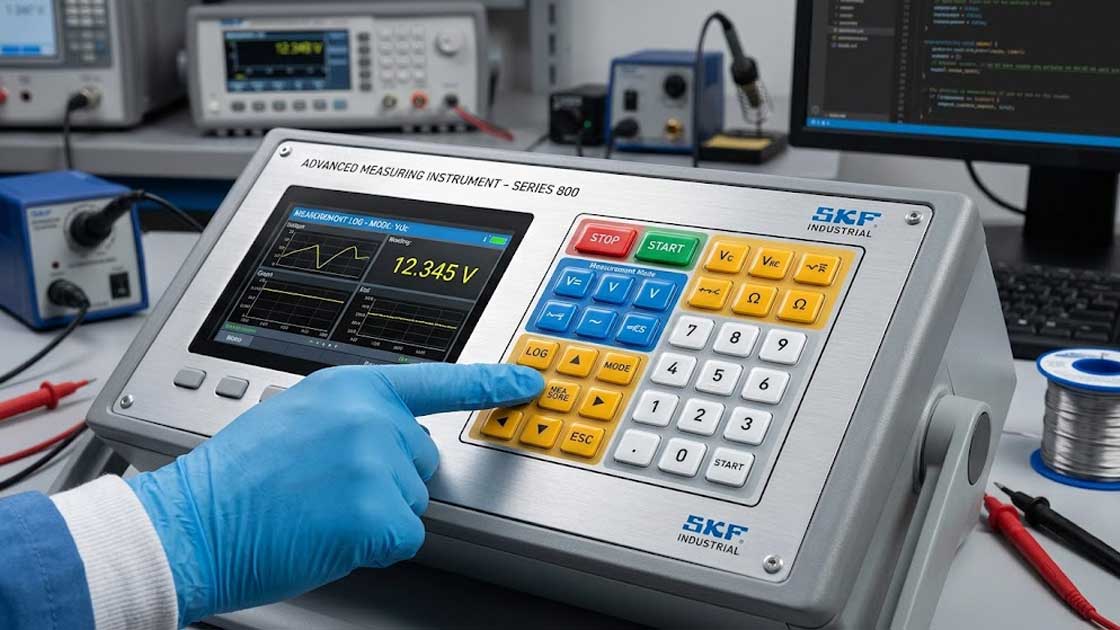
Professional Industrial Interfaces
Professional industrial equipment often requires keypad interfaces that combine functional operation with a refined product appearance. Unlike basic machine controls, these interfaces are frequently exposed to operators who expect clear button recognition, consistent operation and a well-designed user experience. Epoxy coated silicone keypads create a defined button surface with protected graphics and controlled visual appearance. The raised resin surface can help separate different functions while maintaining the flexible silicone switching structure underneath. This design is suitable for industrial interfaces where buttons need to remain clear and visually consistent throughout long-term operation. SKF evaluates factors such as button layout, epoxy surface structure, tactile response and assembly requirements during development. Typical applications include professional measuring instruments, specialized control equipment and advanced industrial interfaces where both operation performance and interface quality are important.

Commercial Electronic Equipment
Commercial electronic equipment often uses keypad interfaces as a direct interaction point between users and the product. These applications require buttons that provide clear function recognition while maintaining a consistent appearance throughout the product lifecycle. Epoxy coated silicone keypads provide a more refined surface design by combining resin-coated buttons with silicone switching structures. The epoxy layer can enhance graphic presentation, create visual differences between buttons and support product designs where the keypad appearance contributes to the overall user experience. SKF considers factors such as graphic alignment, surface finish, button geometry and production consistency to ensure the keypad matches the equipment design requirements. Typical applications include payment terminals, interactive equipment and commercial electronic devices that require a professional and durable user interface.
Manufacturing Insight for Epoxy Coated Silicone Keypads
DFM Review Before Tooling
Every epoxy coated silicone keypad project begins with a design review before mold development. SKF engineers evaluate button geometry, epoxy coverage area, resin dome requirements, graphic position, key spacing, rubber web structure and PCB assembly conditions during the early design stage. The purpose of DFM review is to identify potential manufacturing risks before tooling investment. For epoxy designs, some issues are difficult to correct after mold completion. For example, insufficient spacing between buttons may limit epoxy dome formation. A sharp transition between the button surface and surrounding area may cause uneven resin flow. A graphic position too close to the button edge may create visual distortion after clear epoxy encapsulation. SKF reviews these details early to ensure the mold structure supports the required epoxy surface design and production requirements.
Epoxy Resin Forming Process Control
Unlike general surface coating processes, epoxy coated silicone keypads require precise control of resin forming conditions. The final epoxy surface quality depends on resin volume, application position, surface tension, curing temperature and curing time. Any variation in these factors may affect dome height, resin flow, surface appearance and consistency between individual buttons. SKF validates epoxy forming parameters during prototype development to ensure stable production results. For multi-button keypads, consistent resin height is especially important because small differences between buttons can affect both visual appearance and user perception.
Bubble Control and Surface Appearance Inspection
Clear epoxy designs require additional manufacturing attention because internal defects are easily visible through the transparent resin layer. During production, SKF controls material preparation, working environment, resin application process and curing conditions to reduce risks such as trapped air bubbles, contamination, uneven transparency and surface imperfections. Appearance inspection focuses on resin clarity, gloss consistency, dome shape, edge condition and graphic visibility. This process is especially important for epoxy coated silicone keypads where the surface appearance directly affects the overall equipment interface.
Mold Structure Evaluation for Epoxy Designs
The silicone mold structure provides the foundation for the epoxy surface design. SKF evaluates mold cavity accuracy, button top surface finish, parting line location, flash control and rubber flow behavior to ensure the molded silicone surface can support consistent epoxy application. A small molding defect may become more noticeable after resin forming because the epoxy surface reflects light differently from silicone rubber. For raised epoxy button designs, SKF also considers dome position, button spacing and assembly clearance during mold evaluation to ensure the final keypad integrates correctly with the equipment.
Silicone Structure Optimization
Although epoxy changes the external button surface, the silicone structure remains responsible for switching performance. SKF optimizes the rubber web thickness, dome geometry, silicone hardness, return force and compression behavior to maintain the required operating response after epoxy application. For example, a keypad designed for light-touch operation may require a different silicone structure compared with a keypad requiring stronger tactile feedback. The epoxy surface design cannot be separated from the mechanical behavior of the silicone rubber underneath.
Printing Alignment and Epoxy Encapsulation Validation
Epoxy coated silicone keypads often combine screen printing, graphic layers and resin encapsulation in one interface design. The printing position becomes more critical because the epoxy surface can increase the visibility of small alignment differences. SKF controls artwork position, printing tolerance, ink adhesion and resin coverage area during development. During prototype approval, SKF evaluates the complete keypad appearance rather than checking printing and epoxy processes separately. This approach helps ensure symbols remain correctly positioned, graphics maintain clarity and the final resin surface matches customer expectations.
Technical Specifications of Epoxy Coated Silicone Keypads
| Specification | Typical Reference |
|---|---|
| Product Type | Epoxy Coated Silicone Keypads |
| Base Material | Silicone rubber |
| Surface Technology | Epoxy resin formed key surface |
| Silicone Hardness | 30–70 Shore A |
| Epoxy Surface | Clear epoxy, colored epoxy or raised resin dome |
| Epoxy Thickness | Project dependent |
| Dome Height | Project dependent |
| Contact Type | Carbon pill, conductive silicone or customer specified contact |
| Actuation Force | Project dependent, commonly 80–500 gf |
| Key Travel | Project dependent, commonly 0.3–2.0 mm |
| Graphic Method | Screen printing, laser etching or combined processes |
| Graphic Protection | Resin encapsulated graphics |
| Surface Appearance | Glossy, smooth or customized finish |
| Backlighting Compatibility | Available with design evaluation |
| Operating Temperature | Depends on silicone compound and epoxy system |
| Lifecycle | Based on keypad structure and application requirements |
| Prototype Support | Available |
| OEM/ODM Development | Supported |
Final specifications are determined according to product design, operating conditions and approved samples.
Why Choose SKF for Epoxy Coated Silicone Keypads
Engineering Support From Design Review to Production
SKF supports epoxy coated silicone keypad projects from initial concept evaluation through mass manufacturing.
The engineering process includes:
- Drawing review
- Epoxy feasibility analysis
- Material selection
- Prototype development
- Production validation
This helps customers identify manufacturing risks before large tooling investment.
Experience With Silicone and Surface Integration
Epoxy keypad production requires coordination between multiple processes:
- Silicone molding
- Printing
- Resin forming
- Electrical integration
SKF understands how changes in one process influence the final keypad performance.
For example:
Changing epoxy height may affect button appearance and assembly clearance.
Changing silicone hardness may affect tactile response after resin forming.
Changing graphic position may affect visual alignment after encapsulation.
Prototype Development Capability
SKF provides prototype support for engineers who need to verify:
- Button appearance
- Epoxy dome structure
- Graphic visibility
- Tactile performance
- PCB switching
Prototype evaluation allows design adjustments before mass production.
Tooling and Manufacturing Experience
SKF engineers consider tooling requirements together with epoxy surface requirements.
Key evaluation areas include:
- Mold accuracy
- Button geometry
- Rubber web structure
- Resin forming space
- Production repeatability
This approach reduces the risk of developing a mold that cannot achieve the required epoxy surface quality.
Quality Inspection
SKF quality control covers both silicone keypad performance and epoxy surface requirements throughout the production process. Inspection focuses on appearance, dimensions, functionality and production consistency to ensure the final keypad meets approved design requirements.
Appearance inspection verifies resin clarity, dome shape, surface defects and graphic alignment, especially for epoxy designs where visual quality directly affects the equipment interface. Dimensional inspection checks key height, button spacing and overall part dimensions to ensure proper assembly and consistent button positioning. Functional inspection evaluates tactile response, electrical contact performance and key operation consistency to confirm reliable switching behavior. SKF also monitors production stability, batch consistency and approved sample matching to maintain consistent quality during mass production.
Epoxy Coated Silicone Keypads FAQ
What Makes Epoxy Coated Silicone Keypads Different From Standard Silicone Keypads?
Standard silicone keypads mainly focus on switching performance, including tactile response, key movement and electrical contact.
Epoxy coated silicone keypads add a resin-formed surface structure above the silicone rubber button. The epoxy layer changes the appearance and user contact surface by creating:
- A harder button top surface
- A raised resin appearance
- A protected graphic layer
- A different surface feeling
The key difference is that epoxy coating is not only a protection method. It becomes part of the button interface design.
SKF evaluates the relationship between:
- Epoxy surface height
- Silicone structure
- Graphic position
- User operation requirements
to ensure the final keypad performs as expected.
Does Epoxy Coating Change the Tactile Response of Silicone Keypads?
Epoxy coating can influence the user’s first contact feeling because it changes the top surface of the button.
However, the main switching response still depends on the silicone structure:
- Rubber web geometry
- Silicone hardness
- Dome design
- Key travel
- Contact position
SKF validates coated prototypes because the final tactile response depends on the complete keypad structure rather than the epoxy layer alone.
During testing, SKF evaluates:
- Actuation force
- Travel distance
- Return response
- Button consistency
Can Epoxy Coated Silicone Keypads Have Raised Buttons?
Yes.
Raised epoxy dome structures are one of the common design options for epoxy coated silicone keypads.
The resin dome can create:
- Higher button visibility
- Clearer function identification
- Different surface recognition between keys
However, dome height requires engineering control.
SKF evaluates:
- Resin volume
- Button spacing
- Assembly clearance
- User pressing requirements
to prevent interference with the equipment design.
Can Epoxy Coating Protect Printed Symbols and Logos?
Yes.
Epoxy coating can encapsulate printed graphics beneath the resin surface.
This design is useful for:
- Function symbols
- Numeric keys
- Product interface markings
- Control labels
The final appearance depends on:
- Printing accuracy
- Resin clarity
- Surface quality
- Coating thickness
SKF validates the combined printing and epoxy process because the resin layer can affect visual depth and alignment.
Can Epoxy Coated Silicone Keypads Support Backlighting?
Yes, depending on the keypad structure.
Backlit epoxy keypads require additional optical design consideration.
SKF evaluates:
- Epoxy transparency
- Graphic layer thickness
- Light transmission path
- LED position
- Light leakage control
The epoxy material and graphic structure need to be designed together to maintain the required lighting effect.
How Do You Control Air Bubbles in Clear Epoxy Keypads?
Clear epoxy surfaces require careful process control because internal defects can affect appearance.
Common causes include:
- Improper resin preparation
- Air trapped during application
- Contaminated surfaces
- Incorrect curing conditions
SKF controls:
- Resin preparation process
- Application parameters
- Working environment
- Curing validation
Appearance inspection checks:
- Surface clarity
- Bubble presence
- Gloss consistency
- Resin uniformity
What Information Is Needed for an Epoxy Coated Silicone Keypad Quote?
SKF recommends providing:
- 2D drawing or 3D model
- Existing keypad sample if available
- Epoxy coating requirements
- Graphic artwork
- Silicone hardness requirement
- Contact method
- PCB information
- Operating environment
- Expected production quantity
For new designs, SKF can review the structure and provide suggestions before tooling begins.
Can Existing Silicone Keypads Be Converted to Epoxy Coated Designs?
Existing silicone keypads may be upgraded with epoxy coating, but the original structure needs evaluation.
SKF reviews:
- Button surface area
- Available coating space
- Graphic location
- Mold structure
- Assembly clearance
Some designs may require modification because epoxy resin changes the button surface height and appearance.