
Protective Coated Silicone Keypads Manufacturer
Protective coated silicone keypads are developed for applications where standard silicone surfaces cannot maintain the required appearance, surface protection or functional performance over long-term use.
SKF develops coated silicone keypad solutions by evaluating the complete interface design, including silicone structure, coating selection, tactile requirements, graphic protection and environmental exposure. The goal is not simply adding a protective layer, but creating a keypad that keeps its intended operation feel while improving resistance against wear, cleaning processes and surface damage.
Typical engineering requirements include protecting printed legends and symbols from repeated operation, maintaining surface performance after frequent finger contact, ensuring compatibility with cleaning agents, preserving tactile response after coating, achieving stable coating adhesion, and integrating correctly with PCB or electronic assemblies.
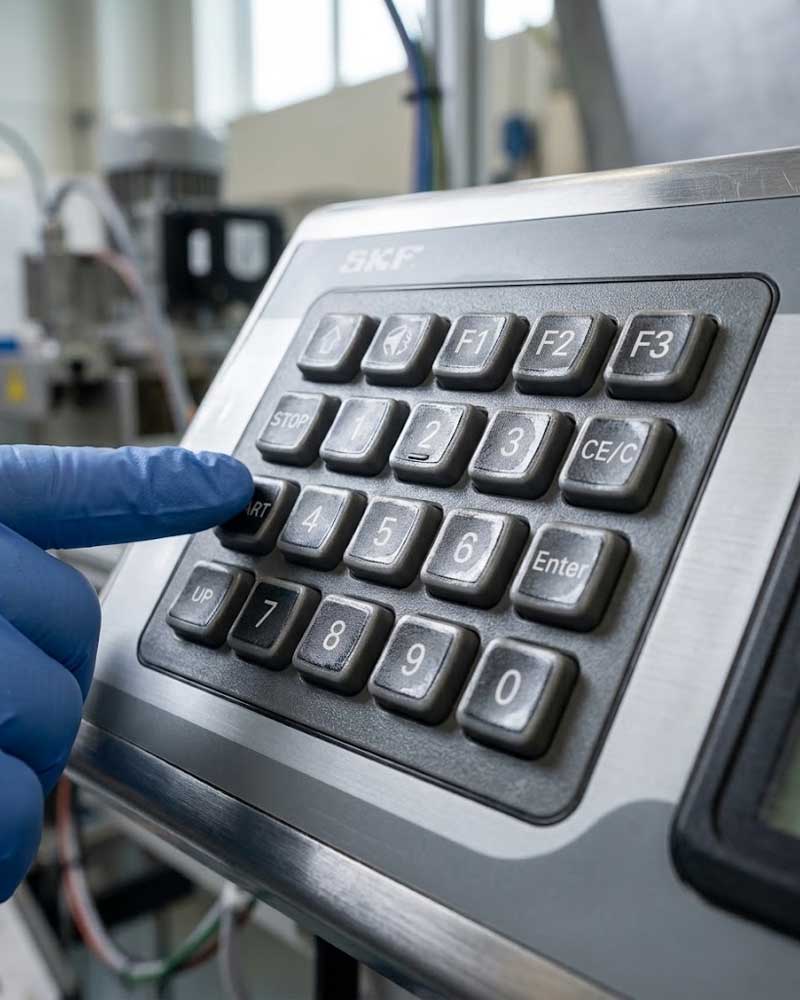
What Are Protective Coated Silicone Keypads?
Protective coated silicone keypads are silicone rubber keypads with an additional surface coating applied to selected areas or the complete keypad surface to improve protection against abrasion, chemicals, repeated cleaning and graphic wear.
Unlike standard silicone keypads that rely mainly on the silicone material itself, coated versions use a secondary surface layer to solve specific application problems.
For example:
- A printed keypad used thousands of times per day may lose legends without surface protection.
- A control panel exposed to cleaning chemicals may require additional coating resistance.
- An outdoor device may need improved surface stability against environmental exposure.
- A medical interface may require a coating system compatible with frequent disinfection.
The coating does not work independently. Its performance depends on the relationship between the silicone substrate, coating material, thickness control, surface preparation and keypad structure.
SKF manufactures protective coated silicone keypads for OEM equipment manufacturers and product designers who need controlled surface performance without changing the original silicone keypad advantages, such as elastic deformation, tactile switching and sealed interface design.
Key Design Features of Protective Coated Silicone Keypads
Protective coated silicone keypads require additional engineering consideration compared with standard silicone keypads because the surface treatment can influence both appearance and mechanical behavior.
The coating is not only a finishing layer applied after molding. It affects how the keypad surface interacts with users, how graphics remain visible during product life, and how the silicone structure performs after repeated compression. SKF evaluates coating selection together with keypad geometry, tactile requirements and operating conditions before production.
Coating Adhesion Control
The coating must remain bonded during repeated keypad movement. Silicone rubber has low surface energy, which makes coating adhesion more challenging compared with many rigid materials. A coating may appear acceptable during initial inspection but develop peeling, cracking or edge lifting after repeated pressing if surface preparation, coating compatibility or curing conditions are not properly controlled. SKF evaluates silicone surface condition, cleaning and preparation methods, coating compatibility and curing parameters before production. The deformation behavior of the coated keypad is also reviewed because the protective layer needs to follow silicone movement without separating from the substrate during repeated compression and release cycles. Manufacturing experience is important in this process because coating performance depends not only on the coating material itself, but also on how the silicone surface is prepared and how the coating process is controlled during production.
Tactile Response After Coating
The protective layer must maintain the intended button feeling. The tactile response of silicone keypads is created by the combined effect of silicone hardness, rubber web geometry, key height, travel distance, contact structure and snap ratio. These factors determine how much force users feel during pressing and how clearly the key returns after activation. Adding a coating layer changes the surface characteristics of the keypad, so coating thickness and coverage area must be considered together with the mechanical design. If the coating process is not properly controlled, it may influence key movement or change the original tactile response. SKF engineers review the complete keypad structure to maintain the required actuation force, key travel, return force and user feedback after coating. For applications where switching response is the primary design requirement, customers may also evaluate dedicated Tactile Silicone Keypads designs.
Surface and Graphic Protection
Protects the keypad surface and functional markings from repeated use. Many equipment interfaces depend on printed characters, symbols and visual indicators to guide operation. During long-term use, repeated pressing, cleaning procedures and environmental exposure can gradually affect both the silicone surface and the readability of these markings. Protective coatings create an additional surface barrier that helps reduce wear on frequently touched areas while protecting printed legends, functional symbols and decorative graphics. The actual protection performance depends on coating material selection, coating thickness, printing method, operating frequency and cleaning conditions. SKF evaluates printing and coating processes together because the sequence of surface treatments can influence graphic clarity, coating adhesion and final appearance. This is especially important for keypads with screen printing, laser etched symbols or backlit graphics.
Environmental Resistance Design
The coating system should match the actual operating conditions. Different applications create different surface protection requirements. Industrial control panels may experience oil exposure, dust accumulation and frequent operation, while medical equipment may require compatibility with repeated disinfectant cleaning. Outdoor devices may face moisture, temperature changes and long-term environmental exposure. SKF selects coating approaches according to the actual working conditions instead of applying one coating type to every keypad project. The evaluation considers the operating environment, cleaning method, chemical exposure, temperature range and expected usage frequency. A suitable protective coating should provide the required surface protection while maintaining the original keypad function, tactile response and assembly compatibility.
Engineering Considerations Before Production
A protective coated silicone keypad project requires evaluation of the complete design before tooling and mass production.
The silicone compound provides the mechanical foundation of the keypad.
SKF evaluates:
- Silicone hardness
- Temperature requirements
- Compression behavior
- Contact requirements
- Coating compatibility
A silicone material suitable for a flexible consumer interface may not provide the same result in a high-frequency industrial control application.
Hardness affects both key movement and coating behavior.
Common silicone keypad hardness ranges are selected according to:
- Required operating force
- Key size
- Web structure
- User feedback
- Environmental conditions
A softer silicone may provide easier pressing but can require different structural support.
A harder silicone may improve support but can increase operating force.
SKF adjusts hardness together with geometry instead of treating material hardness as a separate specification.
The physical structure determines how the keypad feels and performs.
Important design factors include:
- Key height
- Rubber web thickness
- Dome structure
- Key spacing
- Bottom support
- Travel distance
The coating layer cannot correct an unsuitable keypad structure.
SKF performs DFM review before tooling to identify possible issues such as:
- Uneven deformation
- Stress concentration
- Difficult demolding areas
- Coating coverage limitations
Force targets must be defined before production.
Engineers usually evaluate:
- Actuation force
- Peak force
- Return force
- Travel distance
- Snap ratio
The coating process should be considered together with tactile design because additional surface layers may influence user perception.
SKF validates tactile performance through prototype testing before mass production.
Electrical contact design affects switching reliability.
Protective coated silicone keypads can use:
- Carbon pills
- Conductive silicone contacts
- Metal dome combinations
SKF evaluates:
- Contact position
- Carbon pill alignment
- PCB pad design
- Contact pressure
- Assembly tolerance
Carbon pill positioning is especially important because small alignment changes can affect switching consistency.
The coating process must match other finishing operations.
Projects may include:
- Protective coating
- Screen printing
- Laser etching
- Backlighting
- Texture finishing
SKF reviews the processing sequence because printing, coating and laser operations can influence each other.
The operating environment determines the coating strategy.
Before production, engineers should confirm:
- Temperature range
- Cleaning chemicals
- UV exposure
- Moisture conditions
- Operation frequency
- Expected service life
The final coating selection should be based on these conditions rather than only appearance requirements.
Start Your Protective Coated Silicone Keypad Project
A protective coated silicone keypad requires coordination between silicone structure, coating technology and production control.
Send your keypad drawing, existing design or application requirements to SKF. Our engineering team can review coating selection, tooling considerations and prototype requirements before mass production.
Protective Coated Silicone Keypad Types We Can Develop
PU Coated Silicone Keypads for Flexible Surface Protection
Epoxy Coated Silicone Keypads for Hard Surface Protection
Protected Graphic Silicone Keypads for Long-Term Legend Protection
Backlit Protective Coated Silicone Keypads for Illuminated Interfaces
Partial Coated Silicone Keypads for Targeted Surface Protection
Applications of Protective Coated Silicone Keypads
Protective coated silicone keypads are selected when equipment designers need additional surface protection while maintaining the tactile performance and functional reliability of silicone keypad interfaces. Different applications create different coating requirements, so SKF evaluates the operating environment, keypad structure and surface treatment together during development.
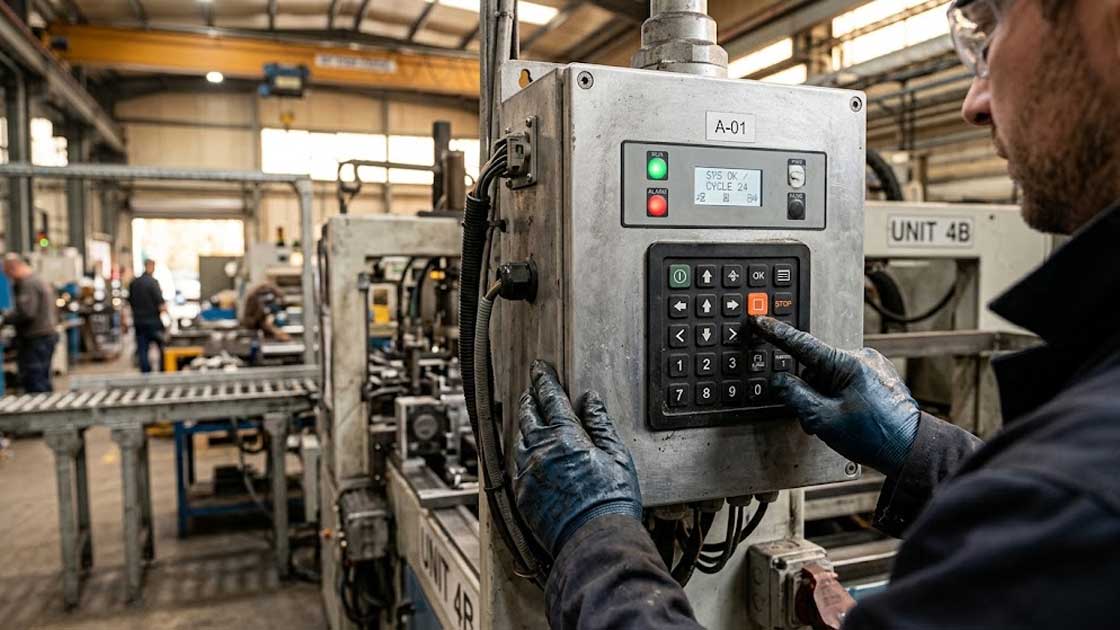
Industrial Control Panels
Industrial control panels are frequently operated by different users and may be exposed to dust, oil, cleaning chemicals and mechanical contact. Standard silicone surfaces may not provide enough protection for printed legends, functional markings or frequently touched areas during long-term operation. SKF develops protective coated silicone keypads with application-specific surface protection, customized tactile force, sealed silicone structures and PCB-compatible contact designs. During development, SKF evaluates web thickness, key geometry and coating influence because industrial operators often require clear tactile feedback, especially when operating equipment with gloves or performing repeated control actions.
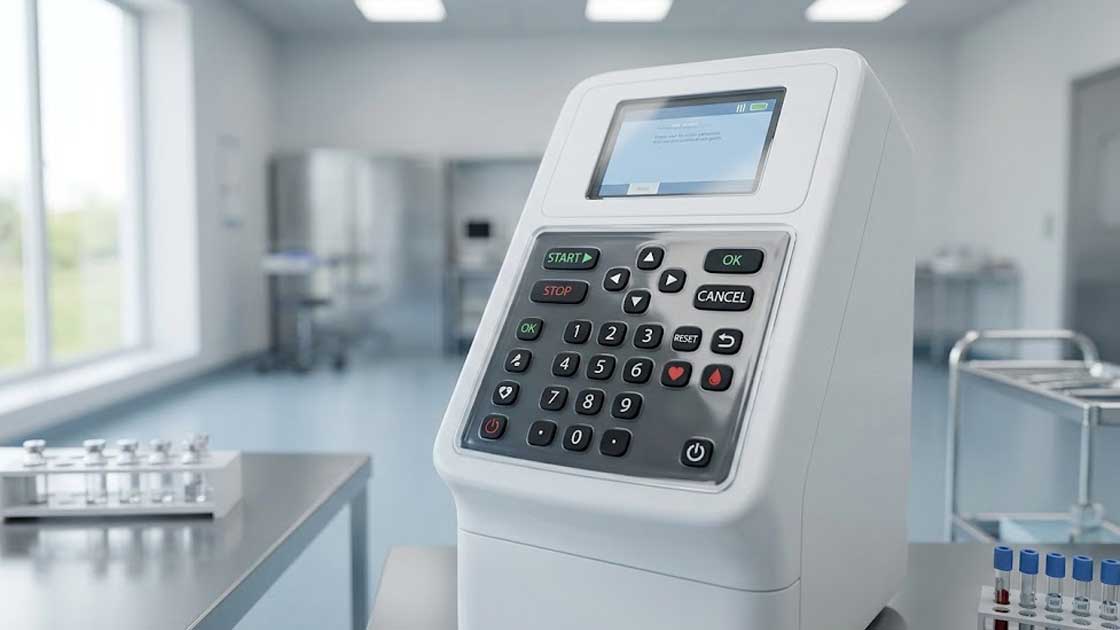
Medical Equipment Interfaces
Medical equipment interfaces require keypad surfaces that can maintain clear operation markings while undergoing frequent cleaning and disinfection procedures. The main engineering challenge is balancing surface protection, chemical compatibility and tactile response without affecting the user experience. SKF develops protective coated silicone keypads with smooth coated surfaces, protected printed symbols and controlled tactile performance. The coating system is evaluated according to cleaning agents, exposure frequency and material compatibility because repeated contact with disinfectants may influence coating adhesion, appearance and long-term performance. For applications where hygiene control and contamination prevention are the primary design priorities, customers may also consider Hygienic Silicone Keypads, which focus specifically on smooth surfaces, cleaning requirements and healthcare interface applications.

Laboratory Equipment Controls
Laboratory instruments often combine frequent operation with exposure to solvents, cleaning agents and sample contamination. These environments require keypad interfaces that maintain readable markings, stable switching performance and consistent operation after repeated maintenance procedures. SKF develops coated keypad structures by evaluating chemical exposure conditions, coating compatibility, silicone material selection and tactile requirements. Protected legends, stable contact performance and customized operating force can be integrated according to the instrument design and user operation requirements.

Outdoor Electronic Devices
Outdoor electronic devices experience changing temperatures, moisture, environmental contamination and long-term exposure conditions. The keypad surface needs to maintain appearance and function while the silicone structure continues to provide consistent operation. SKF develops protective coated silicone keypads with environmental surface protection, sealed structures and application-specific material selection. During engineering review, SKF evaluates the relationship between silicone compound, coating performance and temperature variation because environmental changes can affect both the silicone substrate and protective surface layer.
Manufacturing Insight: How SKF Controls Protective Coated Silicone Keypad Production
DFM Review Before Tooling
Every protective coated silicone keypad project starts with reviewing the keypad design before mold development. SKF engineers evaluate key geometry, rubber web structure, coating coverage area, parting line position, draft angle and assembly requirements to identify potential manufacturing risks before tooling investment. For coated keypad projects, early design review is especially important because small structural issues can influence coating performance. For example, sharp edges or unsuitable transition areas may create stress concentration during repeated pressing, increasing the risk of coating damage or separation. Adjusting the mold structure during the design stage can help reduce these risks before production begins.
Tooling Risk Analysis
The mold design affects both silicone molding quality and final coating performance. SKF reviews cavity structure, venting position, flash risk, demolding behavior and mold surface finish before production. A stable molding process creates a consistent silicone surface, which provides a better foundation for coating application. An inconsistent molding surface may lead to uneven coating results because the protective layer follows the condition of the silicone substrate. Proper tooling evaluation helps improve coating consistency and reduce defects during mass production.
Web Thickness Optimization
The silicone web structure controls how the key moves and directly affects the user's operating experience. SKF adjusts web thickness according to the target actuation force, key size, travel distance and required tactile response. For protective coated silicone keypads, this evaluation becomes more important because the additional surface layer introduces another factor that may influence key movement. The goal is to maintain consistent key response after coating while achieving the required protection level and operating feel.
Conductive Pill Positioning
Electrical contact accuracy directly affects keypad switching performance. SKF evaluates carbon pill location, contact diameter, PCB pad alignment and compression force during development. These factors determine whether the keypad can create stable electrical contact after assembly. Small positioning errors may result in intermittent switching, inconsistent activation or assembly issues. Proper conductive pill positioning evaluation helps maintain reliable keypad function throughout production.
Printing and Coating Alignment
When protective coated silicone keypads include printed legends, symbols or backlit graphics, the relationship between printing and coating processes must be carefully controlled. SKF validates graphic position, printing registration, coating coverage and symbol visibility before mass production. The processing sequence is reviewed because printing and coating order can influence appearance, adhesion performance and long-term graphic durability. This evaluation is especially important for keypads where users depend on clear symbols for daily operation.
Production Validation Before Mass Production
Prototype approval is an important step before protective coated silicone keypads enter volume production. SKF validates appearance, coating adhesion, tactile performance, electrical function and assembly compatibility using approved samples and project specifications. The approved prototype becomes the production reference for inspection and quality control. This helps maintain consistency between prototype development and mass-produced keypads.
Technical Specifications of Protective Coated Silicone Keypads
| Specification | Typical Reference |
|---|---|
| Product | Protective coated silicone keypad |
| Silicone material | Silicone rubber with application-specific protective coating |
| Silicone hardness | 40–70 Shore A |
| Coating options | PU coating, epoxy coating, transparent coating, wear-resistant coating and application-specific coatings |
| Coating coverage | Full surface coating or selected area coating |
| Surface finish | Smooth, matte, textured or coated graphic surface |
| Surface function | Wear protection, graphic protection, chemical resistance and cleaning compatibility |
| Actuation force | 80–500 gf depending on keypad structure |
| Key travel | 0.3–2.0 mm depending on design requirements |
| Tactile control | Adjusted through silicone hardness, web geometry and key structure |
| Contact type | Carbon pills, conductive silicone contacts or integrated switching structures |
| Electrical interface | PCB contact pads or customer-specified electronic interface |
| Graphic options | Screen printing, laser etching, protected legends and backlit symbols |
| Operating temperature | -40°C to 200°C depending on silicone compound and coating system |
| Chemical exposure | Evaluated according to cleaning agents, oils or application chemicals |
| Lifecycle | Application-specific, commonly 100,000 to 1,000,000+ cycles depending on design |
| Testing | Appearance inspection, tactile validation, electrical testing and coating evaluation |
| OEM / ODM | Available |
| Packaging | PE bags, trays, cartons or customer-specified export packaging |
Final performance depends on silicone formulation, coating material, coating thickness, keypad geometry, operating conditions and validation requirements.
Why Choose SKF for Protective Coated Silicone Keypads
OEM/ODM Engineering Support
SKF does not start production only from a product name or coating requirement.
Our engineering review considers:
- Keypad function
- User operation method
- Surface protection requirement
- Coating selection
- Contact structure
- Assembly environment
This helps determine whether the proposed coating approach matches the actual application.
DFM Analysis Before Tooling
Design decisions made before tooling directly influence production stability.
SKF performs DFM review on:
- Key geometry
- Rubber web structure
- Draft angle
- Mold parting line
- Coating area
- Assembly tolerance
For coated silicone keypads, early design review is especially important because coating problems are often related to mold structure or surface conditions created before coating begins.
Prototype Development and Validation
Prototype samples allow engineers to evaluate real performance before mass production.
SKF supports validation of:
- Tactile response
- Coating appearance
- Graphic clarity
- Adhesion performance
- PCB compatibility
- Assembly fit
The approved prototype becomes the reference standard for production.
Tooling and Manufacturing Experience
SKF manages the complete manufacturing process:
- Mold structure evaluation
- Silicone molding
- Surface preparation
- Coating application
- Printing and laser processing
- Inspection
- Packaging
Manufacturing decisions such as web thickness, conductive pill position and coating sequence directly affect the final keypad performance.
Production Quality Inspection
SKF quality control covers both functional and visual requirements.
Inspection includes:
- Silicone appearance
- Coating consistency
- Surface defects
- Graphic alignment
- Key function
- Electrical contact performance
- Dimensional control
- Packaging verification
The inspection method is based on approved samples and project requirements.
Protective Coated Silicone Keypads FAQ
How are protective coated silicone keypads different from standard silicone keypads?
Standard silicone keypads mainly rely on silicone rubber properties for flexibility and switching function.
Protective coated silicone keypads add a surface treatment layer to address additional requirements such as graphic protection, abrasion resistance, chemical exposure or frequent cleaning.
The coating selection depends on what problem the application needs to solve.
How does coating thickness affect silicone keypad performance?
Coating thickness can influence both surface protection and keypad operation.
A thicker coating may improve surface coverage but can also affect flexibility, tactile feeling and key movement if not properly controlled.
SKF evaluates coating thickness together with key geometry, silicone hardness and target actuation force.
Should we choose PU coating or epoxy coating for our silicone keypad project?
The correct choice depends on the application requirements.
PU coating is commonly considered when the project needs a more flexible protective surface with improved wear resistance.
Epoxy coating is often selected when higher surface hardness and scratch resistance are required.
SKF evaluates the operating environment, keypad structure and tactile requirements before recommending a coating approach.
Can protective coated silicone keypads maintain tactile feedback?
Yes.
Maintaining tactile response requires evaluating the coating together with the silicone structure.
SKF adjusts:
- Silicone hardness
- Rubber web geometry
- Key travel
- Actuation force
- Coating design
during development to keep the intended user experience.
Can protective coatings protect printed legends on silicone keypads?
Yes.
Protective coatings can help reduce wear on printed symbols, characters and graphics caused by repeated operation and cleaning.
The result depends on:
- Printing method
- Ink selection
- Coating compatibility
- Processing sequence
Can existing silicone keypad designs be upgraded with protective coating?
In many cases, existing designs can be evaluated for coating upgrades.
SKF reviews:
- Current keypad structure
- Surface condition
- Printing method
- Assembly requirements
- Operating environment
Some designs may require tooling adjustment if coating changes affect dimensions or key movement.
How are coating performance requirements tested?
Testing depends on the application.
Evaluation may include:
- Appearance inspection
- Adhesion evaluation
- Repeated operation testing
- Chemical exposure review
- Cleaning compatibility testing
- Tactile measurement
- Electrical switching validation
SKF selects validation methods according to the actual product requirements.
What information is needed for a protective coated silicone keypad quotation?
To evaluate a project, SKF recommends providing:
- Product drawing or existing sample
- Application equipment information
- Keypad dimensions
- Required coating type or protection target
- Silicone hardness requirement
- Actuation force requirement
- Contact method
- Graphic requirements
- Quantity forecast
- Testing or compliance requirements