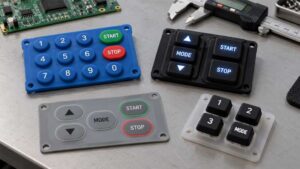
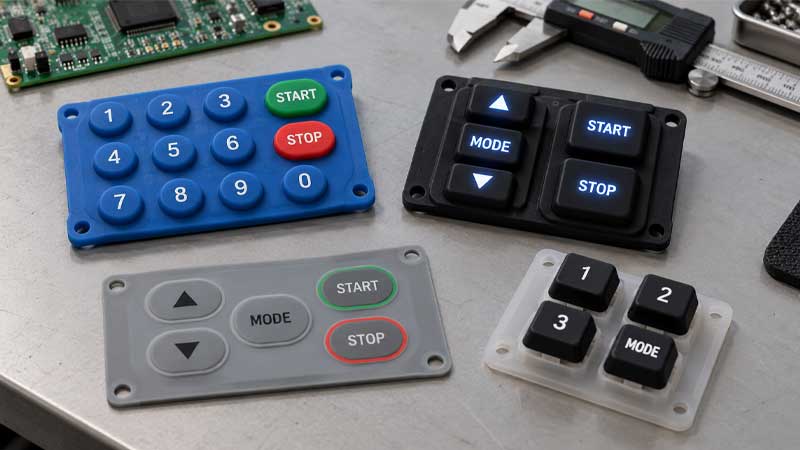
Silicone rubber keypad prototypes are an early phase in the development and manufacturing of products. They aim to improve the structure and performance of rubber parts. SKF offers a variety of rapid prototyping options, allowing designers to select the optimal technique or technology for their rubber keypad development cycle.
What Are Silicone Keypad Prototypes?
The goal of prototypes is to create a product containing test requirements and basic functions for user feedback. This feedback is used to continuously optimize the design of rubber keypads in multiple designs and iterations.
Speed is essential in the prototype process to support multiple improvements, which can be achieved through 3D printing, machining, and cutting techniques.
Benefits of Silicone Rubber Keypads Prototype Solutions

Compared to the high costs and long lead times associated with silicone keypad manufacturing, prototypes offer a cost-effective alternative, eliminating the need for a significant initial investment in components and tooling, such as aluminum molds.
Feedback for Design Flaws: Troubleshooting and Failure Reduction
One of the most notable benefits of prototyping a silicone rubber keypad is the ability to provide design feedback, which can accelerate delivery time and reduce the product development cycle.
In the early phase of product development, we can deliver rubber keypad prototypes to our clients, who can then quickly make design adjustments.
Furthermore, we can manufacture multiple prototypes for comparison and design iteration simultaneously.
Design Validation
For smaller quantities of prototype products, the shapes, sizes, and functionality of the rubber parts are created using precision 3D printing and machining or cutting.
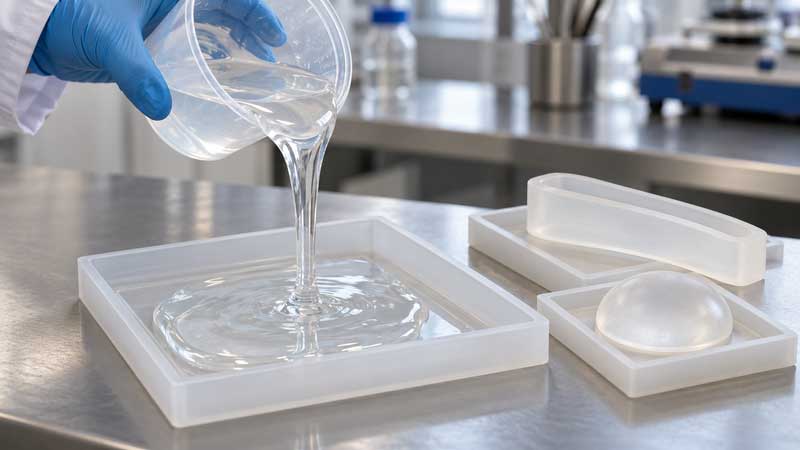
Moreover, silicone and other raw materials are used in the prototype process for better functional testing and simulation with these production-grade materials.
You can also learn more about design validation and how design influences scaling production of elastomer keypads.
Market Requirement Testing
Before launching and scaling your product, you can opt for pilot production to manufacture silicone rubber keypads and related rubber components using the injection molding technique. This process aims to validate market interest and determine the proper production volume, helping you achieve your goals.
Additionally, mold selection is essential before full-scale production due to the significant cost of mold creation in total production expenses. A proper aluminum mold ensures cost control, as well as reliability and mechanical strength.
Iterative Development and Improvements
Through communication and interactive design, feedback on manufacturability is offered, and details are adjusted before prototypes are made. This process provides opportunities to reinforce performance and eliminate design flaws.
What Is a Rapid Prototyping Process in a Rubber Keypad Project?
Figure out Design Input and Output
Before creating prototypes or samples, it is important to determine the design inputs and outputs.
The design input focuses on what to provide, involving
- Sketches of silicone buttons
- Key details of the legend, graphics, key profile, tactile silicone keypad, or the keypad for quiet operation
- Required functions and performance
- Application and corresponding environments
And the design output keeps an eye on what you should get back, including
- Early drawings of elastomer keypads
- Subsequent design improvements
- Strategic adjustment (refining, simplifying, or reinforcing specific aspects)
Silicone Material Selection Before Rubber Keypad Prototype Creation
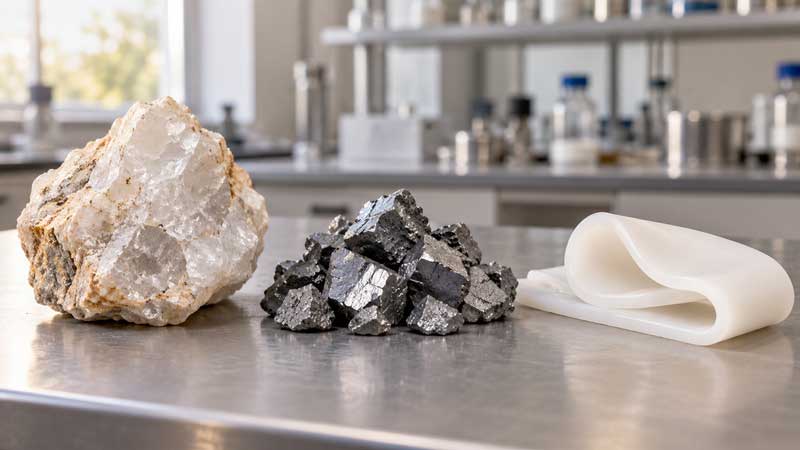
The selection of silicone material determines the mechanical strength and stiffness of silicone rubber keypads, which allows engineers and manufacturers to test these formed prototypes.
Rigid silicone materials, such as HCR (high-consistency rubber), are typically used for prototypes that require sufficient stiffness and mechanical strength for high-stress applications and heavy use.
For portable devices and electronics with weight restrictions, LSR is optimal for flexible prototypes.
Therefore, you should also consider material selection with a Shore A hardness of 30-70 and the corresponding application and durability requirements.
Manufacturing Method Selection for Your Prototypes
Foam Board Prototypes
A foam board prototype is a cost-effective way to bring a rubber keypad design from a CAD file to life, providing a visual representation of the concept.
3D Printing: Rapid Silicone Rubber Keypad Prototype Creation
3D printing is an additive manufacturing (AM) technology that includes SLA, SLS, DMLS, HPS, and other options, not just 3D printers.
Although prototypes are typically incomplete, 3D printers can produce rubber keypads with complex geometric structures and fine surface finishes for functionality tests.
SKF offers a cost-effective method of rapidly producing rubber keypad prototypes with a 3D printer.
Injection molding with an aluminum mold
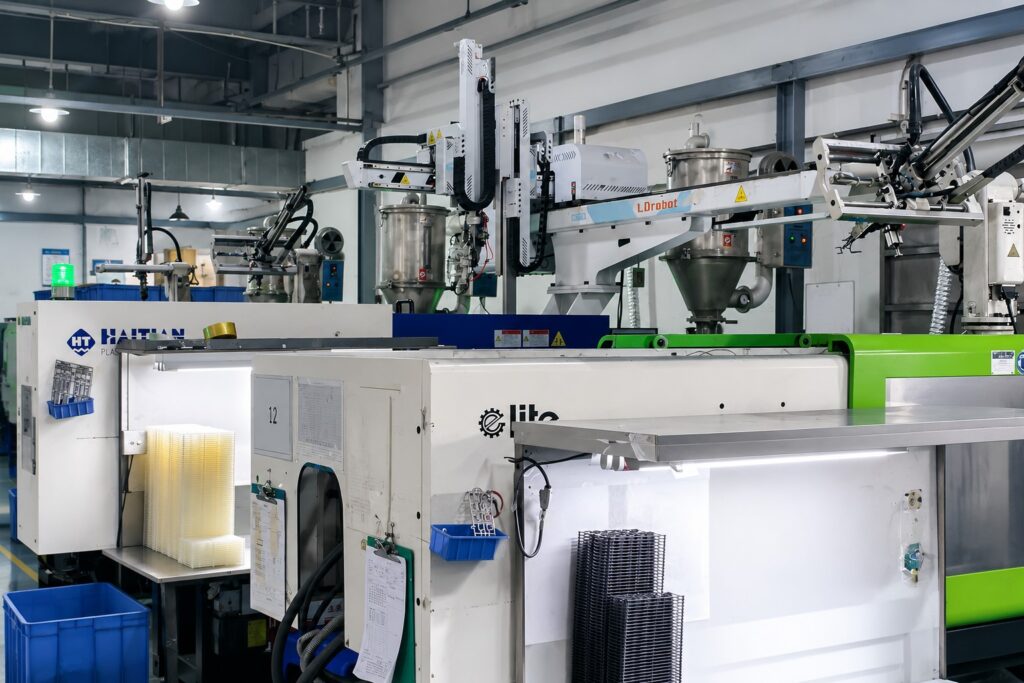
We also use the injection molding technique to create elastomer keypad prototypes. Unlike an expensive steel mold, we use a relatively cheap aluminum mold.
If your design improvements and iterations of these rubber buttons require a new steel mold each time, the overall tooling costs won’t be affordable. Furthermore, an aluminum mold can be adjusted when the changes are not significant.
Laser Cutting for Rubber Keypad Prototypes
We use the laser cutting technique to rapidly cut silicone buttons from silicone rubber sheets. We combine this technique with 3D printing technology to manufacture entire silicone rubber keypads with functions.
Comparison Between Prototypes and Samples
Features, prototypes, samples, and goals Design validation, identification of design flaws, functionality, and adjustments before mass production. Quality verification, marking, and highly polished products are available for testing. Phase of Development Cycle Initial near-final phase and after the prototype phase Degree of Completion Relatively low, high product iteration Require multiple adjustments and enhancements based on data, tests, and feedback. Require additional adjustments when a sample does not meet the standard and needs them before high-volume production.
Reliable and Rapid Prototyping Service from SKF
Manufacturing Capabilities
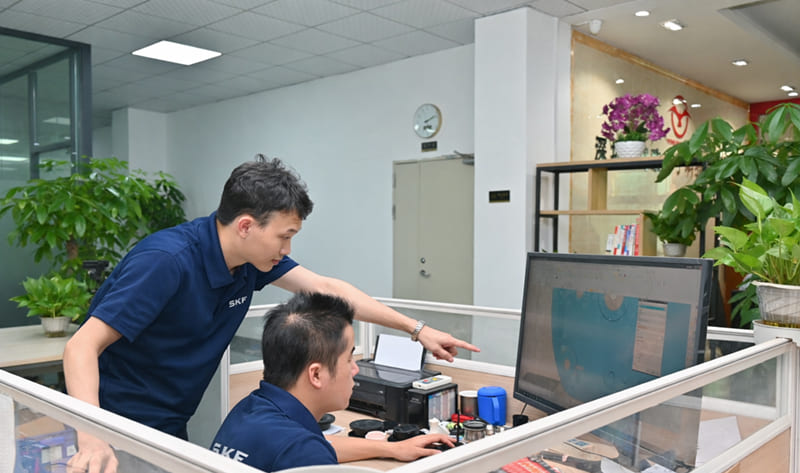
SKF has years of experience in manufacturing, including 3D printing for rapid silicone rubber keypad prototypes, CNC machining for economical aluminum mold creation, and injection molding for manufacturing separate rubber parts, as well as surface finishing and post-processing.
Based on your requirements for rubber keypads and applications with these physical buttons, we offer optimal elastomer keypad prototype solutions with a lower initial cost during the product development stage.
Quality Control System
SKF has established a quality control system involving strict quality assurance and standards, as well as diverse testing, such as environmental condition simulation, durability of graphics and legends, electrical properties, and mechanical strength.
FAQs
What is a prototype vs. a sample?
“Prototype” refers to identifying defects in an earlier development phase before committing to an expensive mold, whereas “sample” focuses on the ability of scaling and stability in rubber keypad production in the phase that is after prototypes.
What are prototypes committed to accomplishing?
Issues and flaws: identification and refinement of silicone rubber keypad design.
Is the silicone rubber keypad featured with electrical functions?
Typically no. But the rubber keypad prototype demonstrates structure and specific functionality before integration with circuits and other components.
Can multiple silicone keypad prototypes be produced at the same time?
Yes, SKF offers multiple keypad prototypes, allowing for the comparison of different designs and finding out defects.
Which mold material is optimal for rubber keypad prototypes?
An aluminum mold is preferred.
Final Thoughts
As a key step in the product development process, SKF offers professional rapid silicone rubber keypad prototyping services to support your elastomer keypad project. These services include identifying design flaws and providing design improvement advice from engineers based on your requirements.