Silicone keypads are widely used in industrial controls, medical devices, automotive interfaces, consumer electronics, and other applications where reliable tactile performance and environmental resistance are required. As chemical regulations continue to expand worldwide, OEM customers are paying more attention to the material safety and compliance status of silicone components.
One common question from buyers is whether silicone keypads contain PFAS (Per- and polyfluoroalkyl substances) and whether PFAS regulations affect silicone keypad manufacturing.
Silicone rubber itself is not part of the PFAS chemical family. However, PFAS evaluation is still important because these substances may be introduced through certain additives, coatings, processing materials, or supply chain sources. For silicone keypad manufacturers, maintaining material transparency and process control helps ensure compliance with evolving global regulations while supporting safer product development.
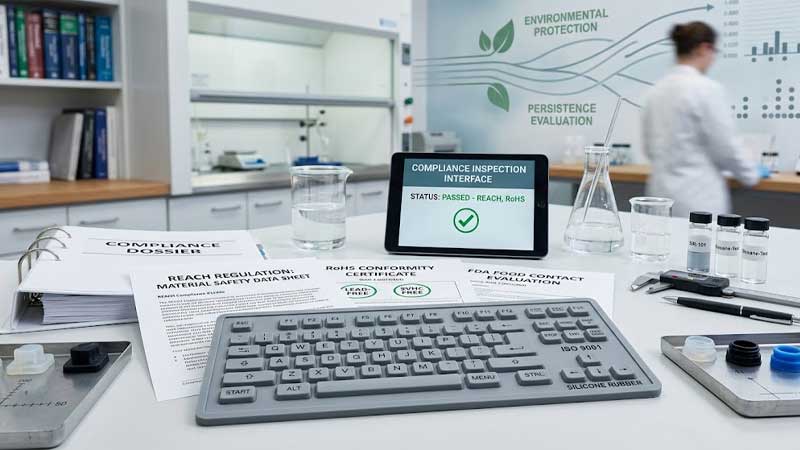
What Are PFAS and Why Are They Regulated?
PFAS, short for Per- and polyfluoroalkyl substances, are a large group of synthetic chemicals that have been used in many industrial and consumer applications since the 1940s. These substances contain strong carbon-fluorine bonds, which provide excellent resistance to water, oil, chemicals, and high temperatures.
Because of these properties, PFAS have been used in applications such as non-stick coatings, protective treatments, firefighting foams, textiles, and industrial processing materials.
The same chemical stability that makes PFAS useful also makes them highly persistent in the environment. Many PFAS compounds do not easily break down and can accumulate over time, which has resulted in increasing attention from regulatory agencies worldwide.
Regulations targeting PFAS have continued to develop in regions including the United States and the European Union. For example, the U.S. Environmental Protection Agency (EPA) has introduced PFAS reporting requirements under the Toxic Substances Control Act (TSCA), requiring companies involved in certain PFAS manufacturing or importing activities to provide information about these substances.
For manufacturers of industrial components, PFAS compliance is becoming an important part of chemical management, supplier qualification, and product documentation.
Does Silicone Rubber Contain PFAS?
Silicone rubber and PFAS are chemically different materials.
Silicone rubber is primarily based on a silicone polymer structure containing silicon and oxygen backbones, combined with organic groups such as methyl groups. PFAS, in contrast, are fluorinated organic compounds containing carbon-fluorine structures.
Under normal silicone formulation practices, silicone rubber materials are not manufactured using PFAS as the primary polymer component. Standard silicone compounds used for silicone keypads typically focus on properties such as:
- flexibility and elastic recovery
- temperature resistance
- compression resistance
- electrical insulation
- long-term durability
However, saying that silicone rubber is naturally PFAS-free does not mean every silicone product automatically requires no PFAS evaluation.
A complete silicone keypad includes more than silicone rubber alone. Depending on the design, components may include coatings, printing materials, adhesives, conductive contacts, surface treatments, and other auxiliary materials. These additional materials need to be considered when evaluating overall chemical compliance.
For this reason, responsible silicone keypad manufacturers review the complete material supply chain rather than only checking the base silicone compound.

Potential PFAS Sources During Silicone Keypad Manufacturing
Although silicone keypads are not typical PFAS applications, manufacturers still need to evaluate potential sources throughout the production process.
Silicone Raw Materials and Additives
The silicone compound is the primary material used in keypad production. Reliable suppliers normally provide material information, compliance declarations, and regulatory documentation to confirm that restricted substances are not intentionally added.
During supplier selection, silicone keypad manufacturers should evaluate:
- raw material origin
- supplier compliance statements
- restricted substance information
- consistency between material batches
At SKF, material review is considered during the early engineering stage of customer projects. Before tooling and mass production, engineers review material requirements and supplier documentation to reduce potential compliance risks before production begins.
Mold Release Agents and Processing Materials
Silicone keypad production usually involves molding processes such as compression molding or liquid silicone rubber injection molding. During molding, certain auxiliary materials may be used to improve production efficiency or prevent material adhesion.
Some specialized release agents or surface treatments in industrial applications may contain fluorinated compounds. Therefore, manufacturers need to control these materials carefully and confirm their chemical composition.
A well-managed production process does not only focus on the silicone material itself. It also considers every supporting material that contacts the product during manufacturing.
Surface Coatings and Finishing Processes
Many silicone keypads require additional surface treatments to achieve specific performance or appearance requirements.
Examples include:
- protective coatings for wear resistance
- PU coatings for surface protection
- printed graphics and symbols
- laser-etched finishing
These secondary processes may introduce additional materials that require compliance review.
For example, a silicone keypad used in industrial equipment may require enhanced abrasion resistance due to frequent operation. When selecting coatings, manufacturers need to balance performance requirements with material compliance requirements.
Conductive Components and Assembly Materials
Silicone keypads often include conductive carbon pills, printed circuits, adhesives, or assembled electronic components.
While these parts are not made from silicone rubber, they form part of the final keypad assembly. A complete compliance review should therefore consider all materials supplied with the finished component.
This approach helps OEM customers receive products with clearer material traceability and fewer compliance uncertainties.
Manufacturing Environment and Supply Chain Control
PFAS compliance is also related to manufacturing management.
Key control measures include:
- qualified material suppliers
- documented material specifications
- production traceability
- supplier compliance verification
For OEM projects requiring strict regulatory documentation, these controls provide greater confidence during product approval and qualification.
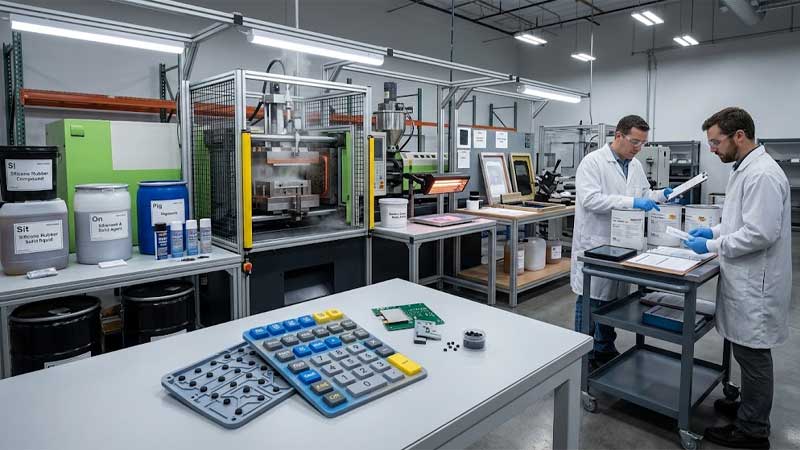
PFAS Regulations and Compliance Requirements for Silicone Keypad Suppliers
PFAS regulations are developing rapidly, and requirements vary depending on market region and product application.
United States PFAS Requirements
In the United States, PFAS regulation has increased through federal and state-level actions. Under TSCA Section 8(a)(7), companies involved in manufacturing or importing certain PFAS substances may need to report information related to PFAS activities.
For silicone keypad buyers importing components, this means suppliers may need to provide clearer information regarding material composition and potential PFAS presence.
European Chemical Regulations
The European Union has also introduced restrictions related to specific PFAS substances, including regulations addressing compounds such as PFOS and PFOA.
For companies supplying silicone components into regulated industries, compliance documentation has become increasingly important.
Customers may request:
- material declarations
- restricted substance statements
- supplier confirmations
- compliance certificates
What OEM Buyers Should Request from Silicone Keypad Suppliers
When selecting a silicone keypad manufacturer, buyers should consider whether the supplier can provide sufficient material transparency.
Recommended documentation includes:
- PFAS declaration
- chemical compliance statement
- material supplier information
- regulatory support documents
A supplier with strong compliance management can help reduce approval delays and improve confidence during product qualification.
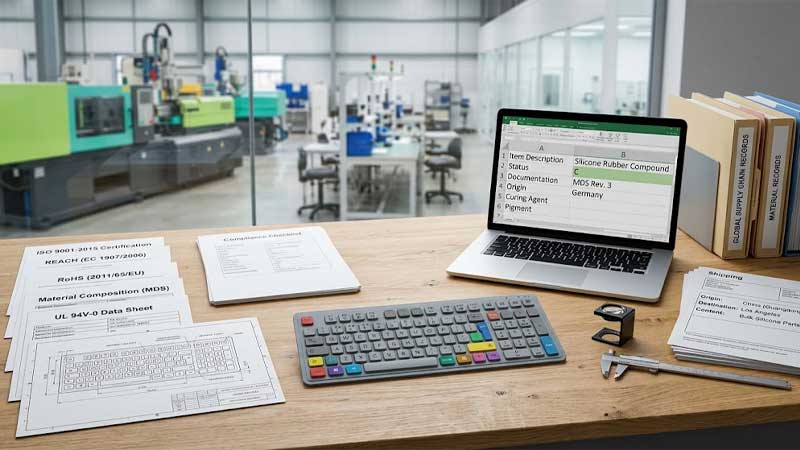
How Silicone Keypad Manufacturers Manage PFAS Compliance
Effective PFAS management requires control throughout the entire product development process.
Material Evaluation Before Production
The first step is reviewing all incoming materials.
Manufacturers should evaluate:
- silicone compound specifications
- secondary materials
- coatings and printing materials
- supplier declarations
Early material evaluation helps identify potential compliance concerns before tooling investment and mass production.
Process Control During Manufacturing
Silicone keypad manufacturing involves multiple stages, including molding, trimming, printing, coating, laser processing, and assembly.
Each stage can influence final product quality and compliance.
SKF supports OEM projects by reviewing:
- material selection
- keypad structure
- production requirements
- secondary processes
This engineering review helps ensure that performance requirements and compliance expectations are considered together.
Compliance Documentation and Customer Support
OEM customers often need documentation for internal approval, regulatory review, or end-user requirements.
Manufacturers should be able to support customers with:
- declarations of conformity
- material compliance information
- production records
- technical communication
Clear documentation improves supply chain transparency and simplifies product qualification.
Supporting Regulated Applications
Industries such as medical equipment, industrial automation, and automotive electronics often require strict material control.
In these applications, silicone keypads must provide not only reliable tactile performance but also confidence in long-term compliance.
A professional silicone keypad supplier helps customers manage both engineering requirements and regulatory expectations.
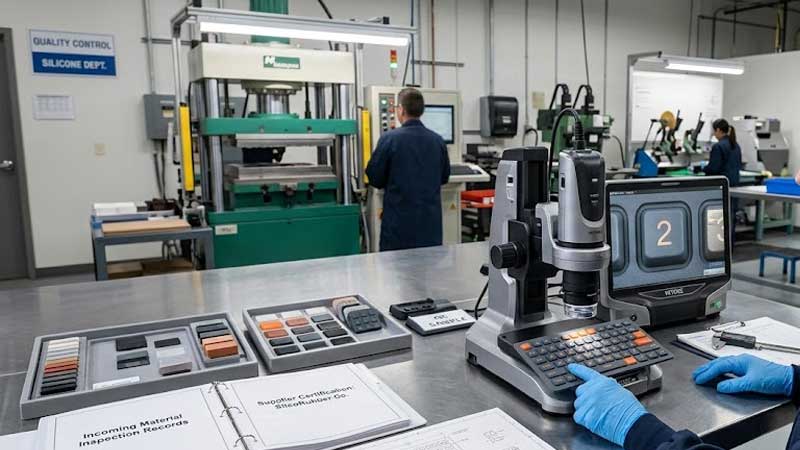
Why PFAS-Free Silicone Keypads Matter for OEM Projects
For OEM customers, chemical compliance is becoming an important factor when selecting component suppliers.
Using silicone keypads with controlled material sources helps companies:
Reduce Regulatory Risks
Clear material documentation helps avoid unexpected compliance issues during product approval.
Improve Supply Chain Transparency
Reliable suppliers provide better visibility into raw materials and manufacturing processes.
Support Long-Term Product Development
A controlled material system helps maintain consistent production quality throughout the product lifecycle.
As regulations continue to evolve, choosing manufacturers with strong material management practices becomes increasingly important.
Frequently Asked Questions About PFAS and Silicone Keypads
Are silicone keypads made with PFAS?
No. Silicone rubber itself is not a PFAS material and standard silicone keypad formulations do not intentionally use PFAS as the main material component. However, manufacturers should evaluate coatings, additives, and auxiliary materials.
Is silicone rubber PFAS-free?
Most silicone rubber materials do not intentionally contain PFAS. However, confirmation depends on supplier declarations, material control, and manufacturing process management.
Can silicone keypad coatings contain PFAS?
Some specialty coatings or surface treatments used in industrial applications may require PFAS evaluation. Manufacturers should review coating materials separately from the silicone base material.
How can OEM buyers verify silicone keypad PFAS compliance?
OEM buyers can request:
- PFAS declarations
- material compliance statements
- supplier documentation
- restricted substance information
These documents help confirm whether the product meets specific regulatory requirements.
Do silicone keypad manufacturers need PFAS testing?
Testing requirements depend on product application, market regulations, and customer requirements. In many cases, supplier documentation and material traceability are the first steps in PFAS management.
Conclusion
PFAS compliance is becoming an increasingly important consideration in global manufacturing. Although silicone rubber itself is not a PFAS material, silicone keypad suppliers need to evaluate the complete product system, including raw materials, coatings, processing materials, and assembly components.
SKF supports OEM customers with silicone keypad design, material evaluation, manufacturing process control, and compliance documentation. By combining engineering expertise with responsible material management, SKF helps customers develop reliable silicone keypad solutions for demanding industrial and regulated applications.