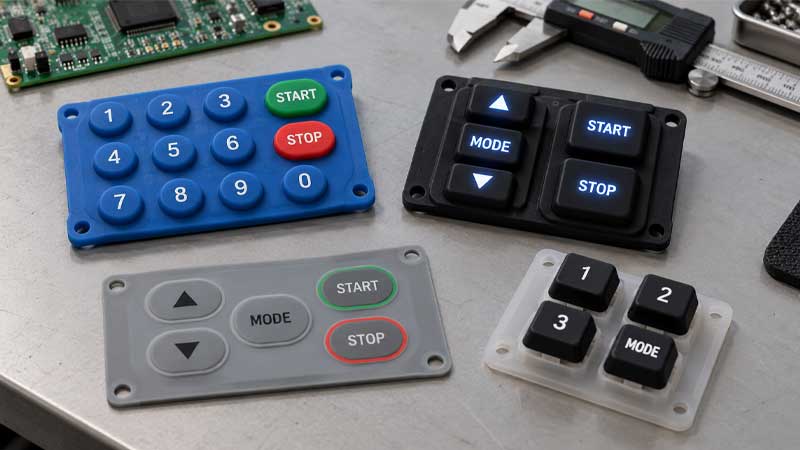
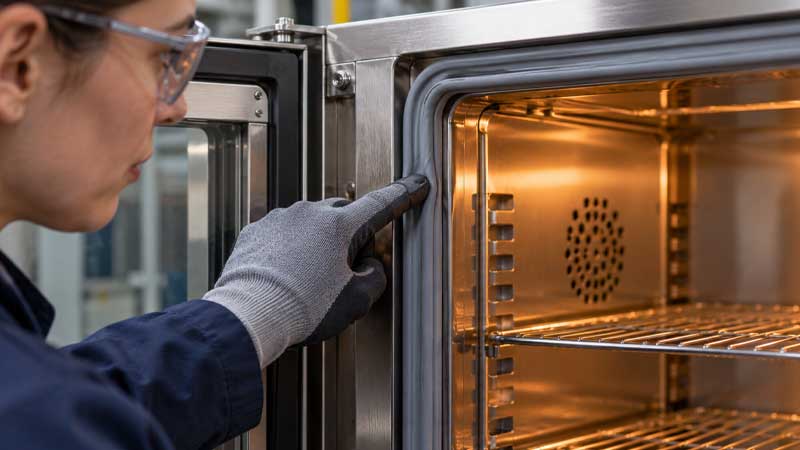
Medical environments carry a high risk of infection, and microbes can be present anywhere: on equipment buttons or in the air. In addition to protective coated silicone keypads, there are also coatings that protect against harmful bacteria and microbes.
To minimize cross-infection between patients and healthcare staff, antimicrobial coatings are applied to silicone keypads on machinery.
What are the benefits of antimicrobial coatings on medical silicone keypads?
Are microbes all harmful to humans?
No, some microbes are not harmful to the human body. However, for individuals with impaired immune function, these microbes can potentially cause harm in medical settings.
These microbes, which include bacteria and fungi, can contaminate surfaces of medical equipment and make them potential sources of infection.
Medical Operation Environment: Hygiene and Safety are Crucial.
Your mechanical keyboard or electronic device with physical plastic buttons does not require frequent cleaning with disinfectants or sterilization, as there is a lower risk of exposure to hazardous microbes such as viruses and bacteria.
However, medical settings such as general and isolation wards, operating theaters, medical laboratories, patient monitoring stations, and call systems are more likely to harbor microbes and have strict hygiene standards to prevent risks and severe accidents.
Non-Flat Structure of Silicone Keypad: Potential Risks
Furthermore, the silicone keypads in machines are arranged in multiple layers and embedded in the user interface, meaning the surface of the interface is not completely flat like a rigid panel. This makes it easier for bacteria to stick to and be attracted to the surface of the keytop and the gaps between buttons.
To minimize the risk of medical accidents, antimicrobial coatings are beneficial for medical silicone keypads, ensuring hygiene and safety standards are met.
The Antimicrobial Methods for HMI

How do microbes threaten hygiene and safety in healthcare environments?
Microbes are widespread in our bodies and the environment. Some types can coexist with humans or be beneficial for treatments, engineering, or probiotic usage. However, in medical settings, microbes can also be a source of healthcare-associated infections.
These threatening microbes include staphylococcus aureus, clostridium, and some antibiotic-resistant bacteria, such as MRSA and VRE, which can lead to serious infection.
How to realize antimicrobial performance for a silicone keypad?
These microbes spread through surfaces, the air, hands, and aerosols. Among these spreading methods, the surfaces of various machines can act as reservoirs for microbes, and hands are a significant transmission route.
In terms of input devices in the medical sector, regular and frequent disinfection is necessary to maintain hygiene standards and ensure continuous operation of physical buttons.
Antimicrobial-coated silicone keypads designed for medical settings focus primarily on surfaces that come into contact with the external environment. Medical-grade silicone rubber and corresponding antimicrobial coatings on the keypad surface can effectively reduce risks and protect healthcare workers and patients.
Antimicrobial Surface Treatments in Medical Equipment

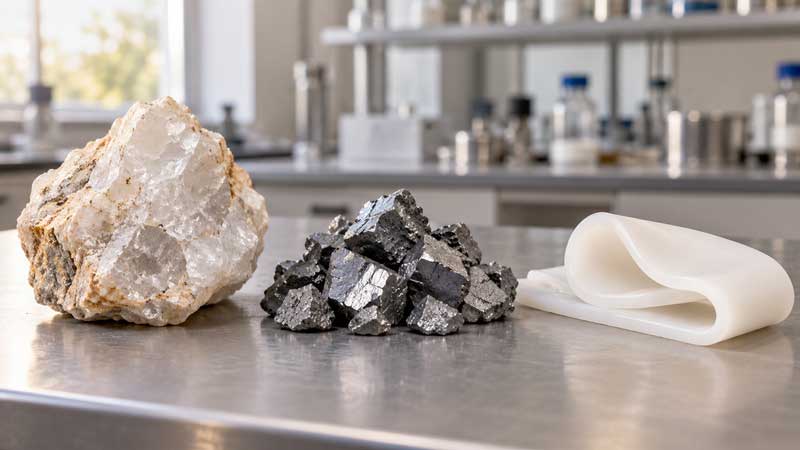
When designing custom silicone keypads for consumer electronics, color and function are important considerations. However, for medical equipment, hygiene, safety, durability, biocompatibility, and the ability to sterilize are more crucial. Silicone rubber is a reliable material for physical buttons and user interfaces in medical settings.
Our medical-grade silicone keypad from SKF has good sealing, as well as inhibition of microbes, and supports sterilization or disinfection.
High Purity of Silicone Rubber
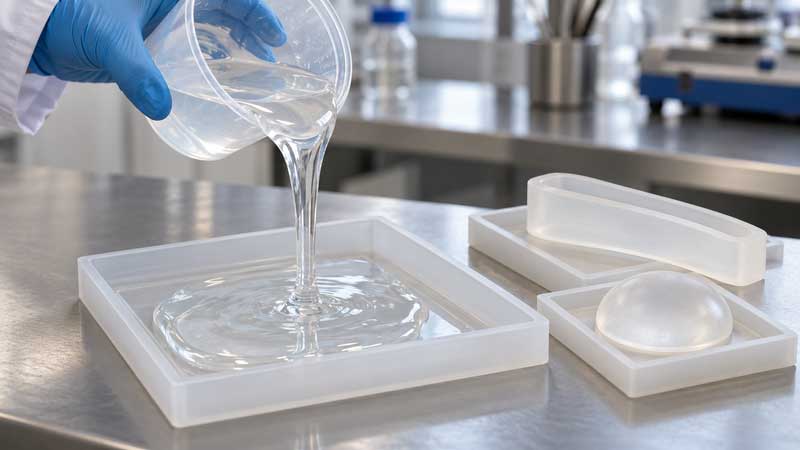
It ensures that the silicone keypad is free from potential contamination and meets quality standards, including consistent surfaces, odorlessness, and functional elasticity. These standards are approved by a series of strict tests and relevant certifications. Common tests include assessments for leachables and extractables, ensuring there is no migration of hazardous substances, as well as testing for biocompatibility, physical performance, and purity.
Throughout the entire manufacturing process of silicone keypads for medical settings, the formulation, curing, and other parameters are strictly controlled according to medical-grade standards and your design requirements.
Antimicrobial Additives in Silicone Rubber Manufacturing
From a silicone rubber perspective, antimicrobial and approved additives can be incorporated into the material, which inhibits bacterial growth and kills harmful microbes. The antimicrobial properties of the surface of input devices make medical silicone keypads ideal for easy cleaning and for areas that require frequent disinfection.
Furthermore, additives in silicone rubber keypads do not affect performance, biocompatibility, or properties. These additives are built-in antimicrobials engineered directly into the silicone keypad product for a long-lasting effect throughout its expected lifetime.
These additives create hygienic and safe substrates for medical silicone keypads in user interfaces.
Antimicrobial-Coated Silicone Keypad for Medical Sector
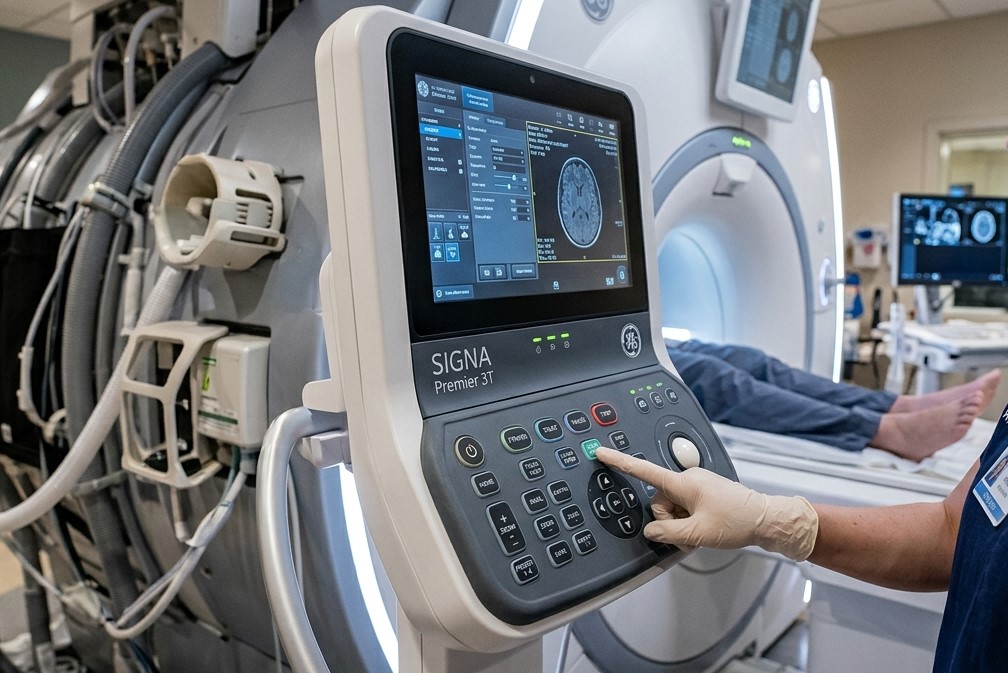
In addition to special additives and molded silicone keypads made of antimicrobial silicone rubber, we can focus on the surfaces of input devices. Antimicrobial coatings mainly contain silver phosphate glass, zinc pyrithione, or copper antimicrobials, which combat fungi and most harmful bacteria on surfaces.
To eliminate the reproduction and growth of bacteria, selective coatings are applied to the surface of silicone keypads. These coatings protect the legends and contain antimicrobial treatments, providing continuous protection.
These antimicrobial-coated silicone keypads can withstand daily cleaning with disinfectants and inhibit harmful bacteria such as S. aureus and E. coli.
Sealed silicone keypad integrated with hard encapsulation
There are several ways to add a hard top to a silicone keypad, including overmolding, adhesive bonding, inserting plastic keycaps, and applying hard encapsulation, such as epoxy coatings or other protective coatings.
Our waterproof, hygienic medical silicone keypads are completely sealed by the overmolding process, which provides well-designed isolation against the ingress of liquids and dust by wrapping around and providing watertight protection.
Epoxy coatings provide protection against mechanical wear and decreased clarity of legends due to friction and abrasion during operation. They also offer an antimicrobial solution by physically isolating bacteria and fungi.
Additionally, antimicrobial additives can be incorporated into the enclosure-forming and processing stage to enhance the surfaces of user interfaces in medical machinery equipped with silicone keypads. These hard, protective encapsulation methods aim to minimize contamination of medical instruments and decrease the risk of healthcare-associated infections.
FAQs
Do I still need to disinfect the medical silicone keypad with antimicrobial coatings?
Yes. These special coatings can eliminate bacteria and other microbes on the keypad but cannot kill all of them. Sterilization or disinfection is still required.
Can I wipe the surface of a medical silicone keypad directly with disinfectant?
Certainly. Our medical silicone rubber keypad can be waterproof and integrated into user interfaces with environmental sealing.
Will your silicone keypad survive drop tests?
Yes. For emergent situations in a hospital, dropping or impacts may be possible, and our medical silicone keypads from SKF are passed with a drop test, ensuring structural integrity.
Can I customize a medical silicone keypad with coatings with physically protective and antimicrobial performance?
Yes. In SKF, we can produce silicone keypads meeting the requirements of basic quality and medical-grade standards, protected by special coatings against both mechanical wear and growth of bacteria as well as fungi.
Are antimicrobials similar to antibiotics for medical devices?
No. Antibiotics are medicine for consumption by humans and have a limited effect on bacteria. The antimicrobials have efficacy against bacteria and fungi and mold, which is significant for antimicrobial surface treatments for medical machines.
Conclusion
These antimicrobial surface treatments for silicone rubber keypads in medical settings include protective hard encapsulation and coatings or silicone rubber materials with additives containing silver, zinc, or copper. These methods aim to destroy or inhibit microbial growth or physically isolate microbes.
You can find more information about antimicrobial coatings or treatments for your medical silicone keypads on our website.