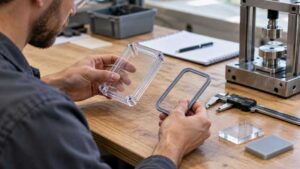
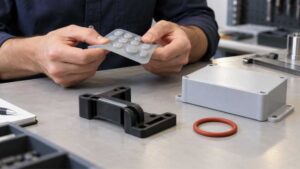
Perhaps you are concerned about environmental exposure and external mechanical impact affecting the structural integrity, functionality, and performance of your silicone keypads. Custom housings or bezels can be integrated into your HMIs and devices to extend their lifecycle and protect components from contamination and shock.
The Housing/Bezel as Outer Protection for Machines and User Interfaces with Silicone Buttons
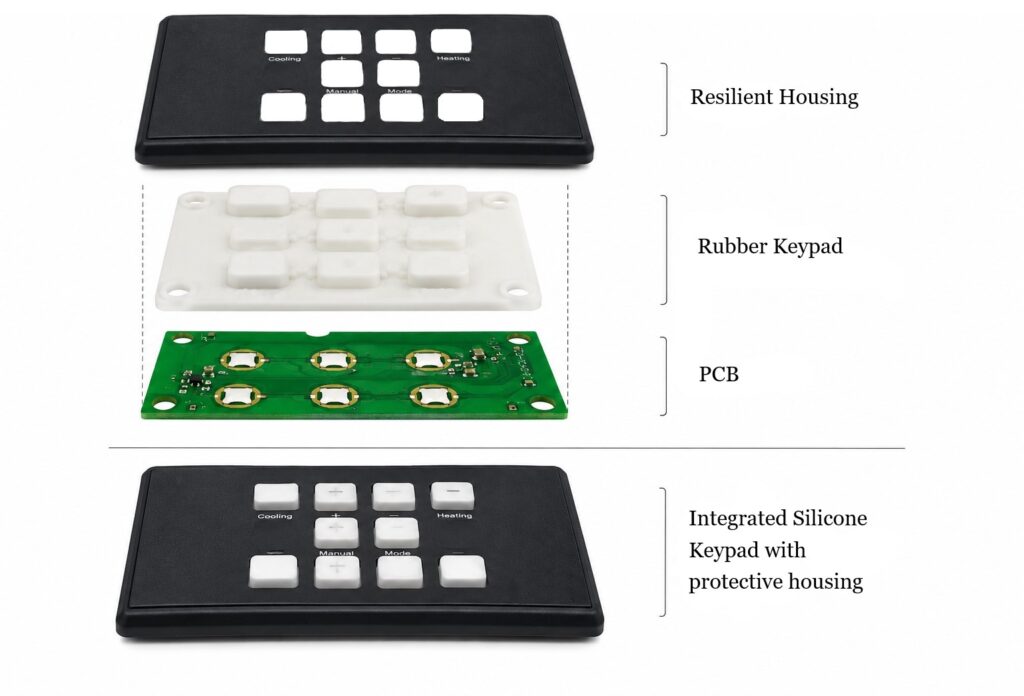
What is a housing or bezel used for?
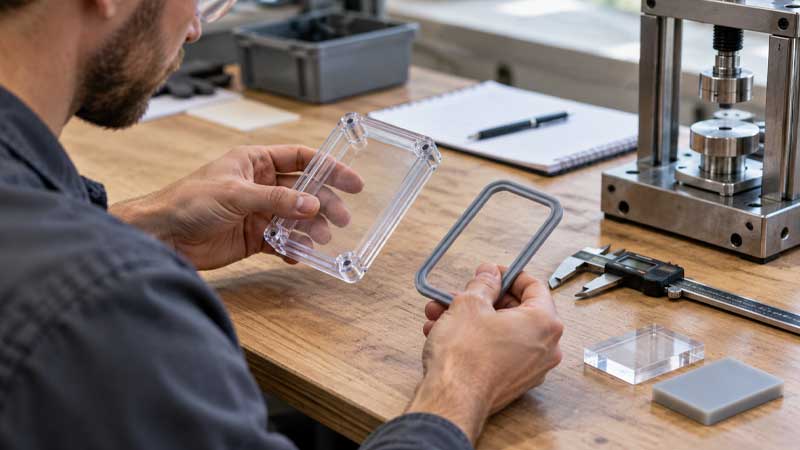
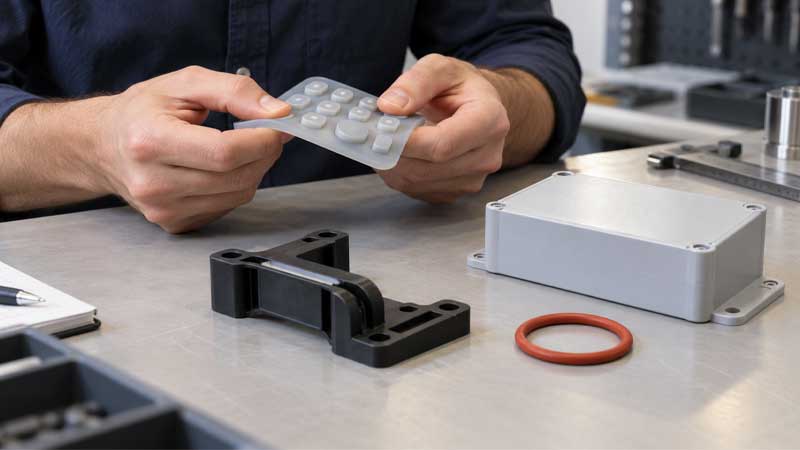
A housing or bezel is typically used for alignment, security, and protection. It acts as an internal or external frame that shields delicate internal circuitry and traces from environmental exposure. ABS housing in mechanical keyboards, door mirror bezels in automobiles, electronic bezels, and the outer housing of switches or control panels are designed to prevent exterior impact or damage.
Moreover, as protective structural enclosures, housings shield and support critical components from vibration and impact, thereby increasing operational reliability, safety, and maintenance efficiency in diverse settings.
How Does Housing as an Assembly Provide Protection for Your Rubber Keypads?
Resilient housings protect your rubber keypads by:
- Being waterproof and dustproof.
- Impact- and shock-resistant
- Resist corrosion from chemicals or salt
- Stain resistance against contamination and fingerprints
- Excellent mechanical strength to withstand heavy use
- Improved environmental sealing
- UV and temperature resistance for outdoor applications and operation in extreme heat or cold
- Payment safety for financial instruments with resilient housing
What is housing made of? Different Materials Options
The housing or bezel provides long-term protection for user interfaces and electronic devices. Housing is an effective method to isolate sensitive internal components from environmental factors like dirt, dust, water splashes, high-pressure washdowns, and contamination, enhancing ingress protection and reliability.
Selecting the right material and protection level for your electronics or instrument can help us achieve a specific design and optimized environmental isolation for your elastomer keypad project through integration with bezel keypad assemblies. There are also common housing materials to choose from.
Plastics Housing: Cost-Effective Choice
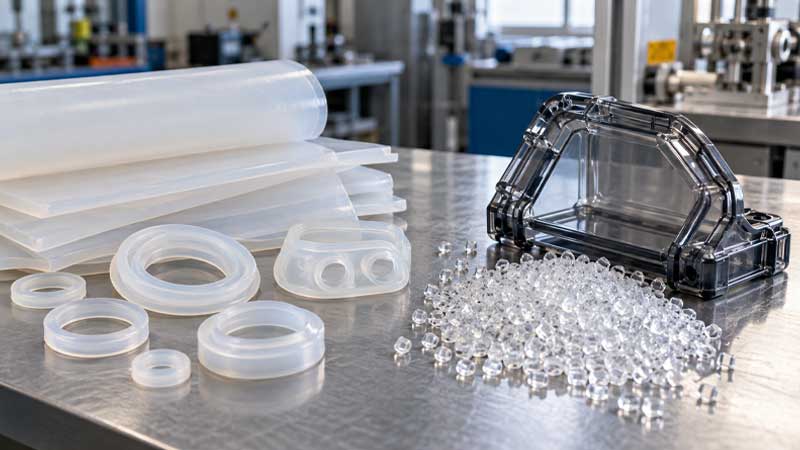
Plastics like ABS are widely used for protective bezels due to their light weight, impact resistance, dielectric properties, and cost-effectiveness. They are used for alarm panels, portable devices, scanners, cell phones, TV remotes, and appliance controllers.
However, if your electronics or panels with silicone buttons face UV exposure and extreme temperatures, the plastic is more likely to become brittle and degrade outdoors. Additionally, ABS has a low melting point (deforming at approximately 90℃/194℉ to 100℃/212℉) and releases toxic substances, making it unsuitable for flame-resistant protective housing.
Polycarbonate Bezel with Impact Resistance
Polycarbonate bezels are made of a resilient, impact-resistant, UV-resistant, watertight material that serves as a protective frame for electronics and control panels. This material retains mechanical strength and performance, making it optimal for outdoor applications with silicone rubber keypads.
Polycarbonate also provides excellent dimensional stability, so it won’t expand or shrink significantly. This makes it suitable for resilient user interfaces with elastomer keypads, which require less maintenance and replacement and have an extended product life cycle.
Aluminum Housing: Corrosion-Resistant Choice
Due to its corrosion resistance, lightweight nature, and glossy surface, aluminum housing is widely used in marine, financial, construction, and outdoor applications that are exposed to tough conditions.
Steel Bezel
Steel is significantly heavier than aluminum or plastic, making it unsuitable for handheld or portable devices that require lightweight features. However, steel bezels, especially stainless steel ones, are ideal for applications involving corrosion risks, high humidity, salty environments, and environmental exposure.
Optional Trim Plate: Watertight Sealing on the Surface
The adapter trim plate can be attached to your silicone rubber keypads with adhesive, offering a watertight user interface with a self-adhesive gasket seal. The seal comes in various sizes to match your elastomer keymats or accent your faceplate finish. Trim plates also offer a wide range of custom designs, including rectangular or rounded edges, metal or plastic faceplates, and an unlimited number of colors.
Applications of Housing/Bezel in Rubber Keypads and HMIs (Human Machine Interface)
Industrial Devices and Housing with Temperature Resistance
Proper housing reduces the influence of environmental exposure in harsh industrial settings, decreasing safety hazards such as excessive impact, moisture and dust intrusion, thermal instability, and chemical corrosion. Although elastic silicone material absorbs partial vibrations and mechanical shocks, additional housing optimizes the reliability and lifetime of your instrument and its user interfaces.
Marine Instrument Integrated with Watertight Bezel
A watertight bezel improves the sealing of control panels in electronic instruments and portable devices used in marine settings. It can isolate most of the moisture from high humidity and wet conditions during operation.
Financial Equipment Against Wear, UV Light, and Heavy-Use
For financial equipment like ATMs, long-term reliability and payment safety of the user interface can be achieved through physical isolation with heavy-duty stainless steel bezels that are tamper-resistant instead of easily breakable.
Security & Access Control Panel: Robust Protection Outdoors
The user interface, which is mounted in a housing with silicone buttons, offers robust and watertight protection, as well as UV resistance, for your security and access control panels. The ingress of dirt and contaminants can be eliminated in any environment, including outdoor, industrial, construction, and cleanroom settings.
Outdoor Kiosk Machines and Terminals: Reliable User Interfaces Under Environmental Exposure
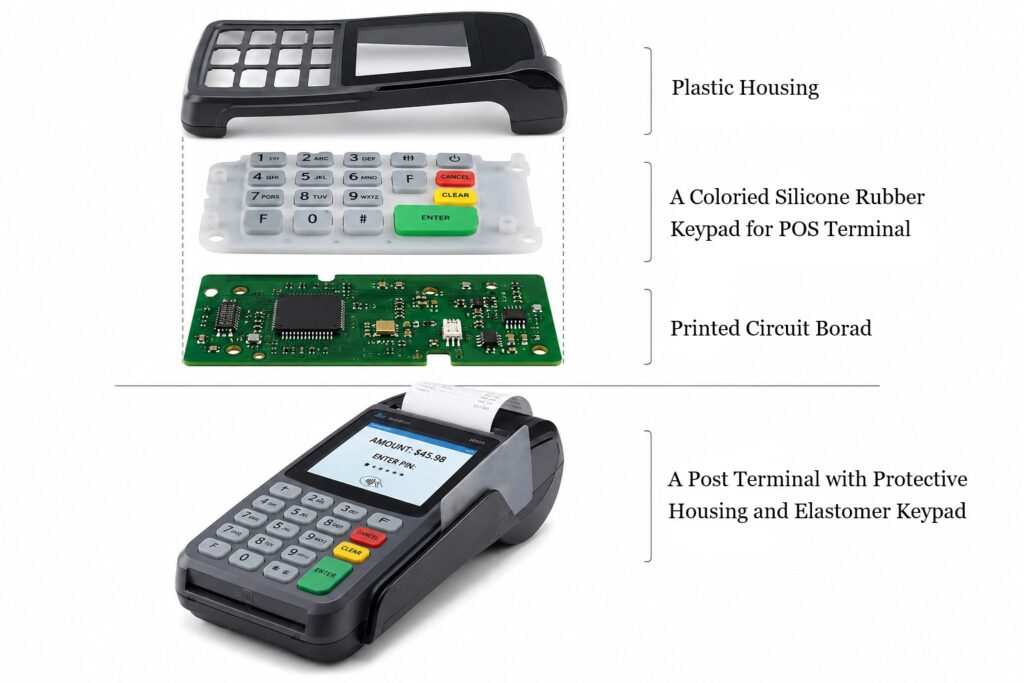
Outdoor parking and fuel kiosks are designed with durable bezels that protect silicone rubber keypads and copper traces from UV radiation, water, and extreme temperatures. POS terminals with silicone buttons and plastic housings are convenient, lightweight, and resistant to stains and wear from footprints and frequent use.
Mounting Methods of Housing/Bezel into Integrated Rubber Keypads
Connection by Adhesion
Adhesives like 3M adhesive tapes for silicone rubber materials with low surface energy are commonly used to mount bezels to switches or electronics. This is an economical solution for electronic or industrial control panels. SKF also offers high-bond adhesive tapes for permanently mounting outdoor elastomer keypads rigidly.
Panel Mounting: Firm Connection by Screws
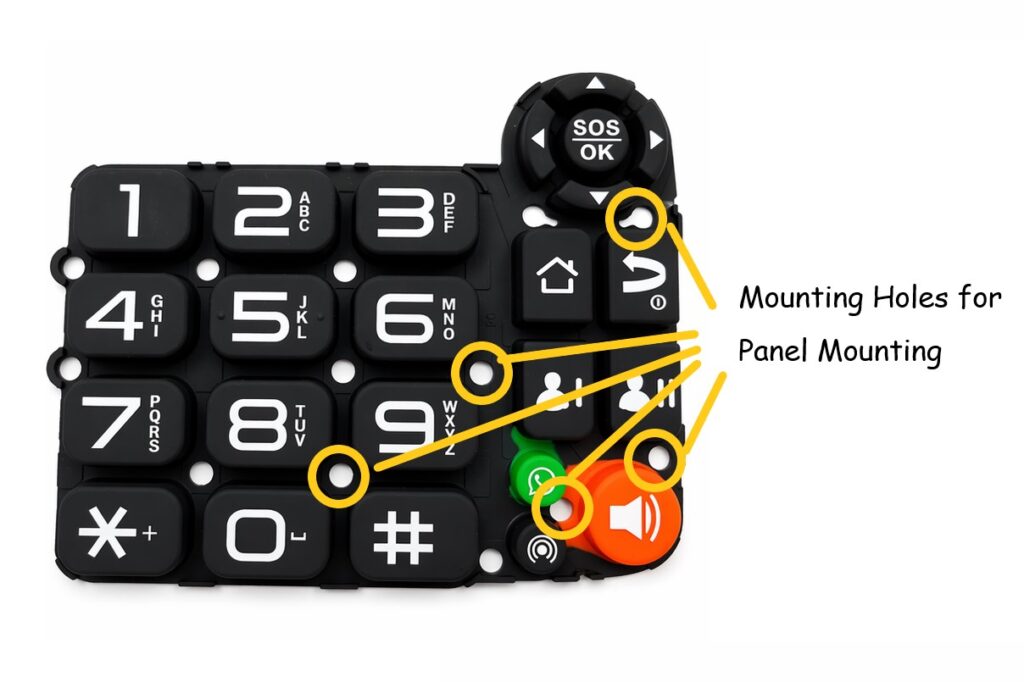
You may have noticed that some silicone keymats have holes next to the buttons. These are mounting holes for subsequent bezel installation. This mounting method involves attaching a rigid housing and a flexible rubber keypad with mounting holes firmly together using screws. To improve mechanical strength and provide resilient support, rigid support plates can be added underneath these elastomer keypads.
How Should I Maintain Housing/Bezels for Long-Term User Interfaces?
To maintain the structural integrity of the control panel, including the housing and rubber keypads, it is essential to remove contamination and perform preventive maintenance for long-term operation.
Regular Cleaning
Regular cleaning with mild detergents removes contamination, but strong disinfectants should not be used to wipe or spray the surfaces of user interfaces.
Inspection of Bezel and User Interfaces
For industrial, medical, or aerospace user interfaces that see heavy use, you should regularly inspect the screws, housing parts, and gaps between bezels and keys. Reduced adhesion or loose screws may result in moisture or dirt ingress, which can lead to damage of sensitive components or machinery downtime.
FAQs
What is the gap distance between a key and a panel/bezel?
Typically the gap distance is > 0.012’’ (0.305 mm).
Is housing replaceable if the housing of an integrated silicone rubber keypad is damaged?
Yes, by measuring concrete sizes and mount holes, you can replace it if you want.
Can I integrate my compact elastomer keypads with housing?
Certainly, we also provide compact housings for your custom rubber keypads.
Can the housing/bezel provide shielding for sensitive equipment?
Yes, based on your requirements, we can integrate your EMI (electromagnetic interference) shielding and aluminum or steel housings with a silicone rubber keypad.
What is the difference between HIMs (human-machine interfaces) and GUIs (graphical user interfaces)?
HMIs are typically applied in machinery and automation, whereas GUIs are mostly used in the PC sector. Some HMIs, like touchscreen HMIs, come with GUI functions, and highly automated systems rely on hybrid applications with HMI and GUI to achieve a higher operation experience.
Final Thoughts
Protective housing structures improve the protection level of silicone rubber keypads against diverse environmental factors in harsh conditions, protecting the tactile feedback and functions of optimized user interfaces and electronics.
Are you ready to elevate the durability of your next elastomer keypad project? SKF specializes in custom rubber keypads and assembly integration tailored to your specific needs, offering well-designed sealing solutions for your applications.