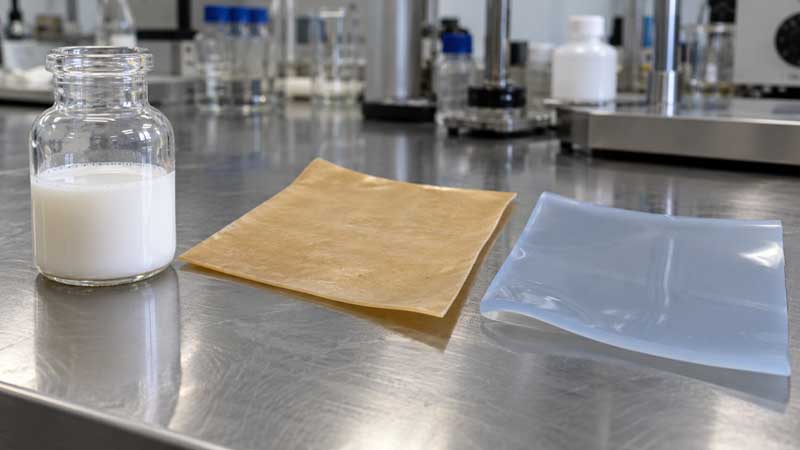
Medical grade silicone components require proper cleaning and sterilization to maintain safety, performance, and service life. This guide explains common cleaning methods, sterilization processes, and key considerations for medical silicone applications.
What Makes Medical Grade Silicone Suitable for Healthcare Applications?
Medical grade silicone refers to silicone materials that have passed specific biocompatibility evaluations and are suitable for use in medical and healthcare environments. These materials are selected when safety, cleanliness, and long-term performance are critical.
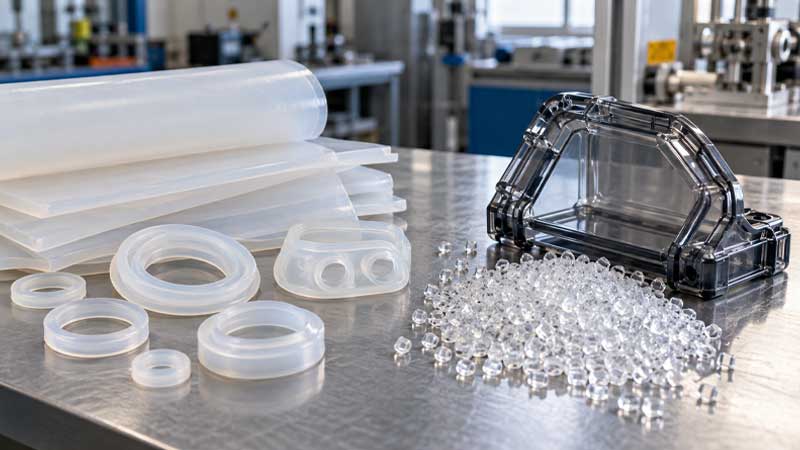
Among different silicone materials, platinum-cured LSR is widely used in medical device manufacturing because the curing process produces highly pure silicone components with minimal unwanted residues. Compared with traditional curing methods, platinum curing supports applications that require strict material control and repeated sterilization.
Medical silicone offers several properties that make it suitable for healthcare applications. It remains flexible over a wide temperature range, resists moisture absorption, and maintains stable performance when exposed to disinfectants and cleaning procedures. These characteristics allow silicone components to be used in demanding environments where hygiene and reliability are essential.
For medical device manufacturers, material selection is only one part of the design process. Product geometry, surface finish, sealing structure, and manufacturing quality also influence cleaning performance. Components with complex structures must be designed carefully to prevent areas where contaminants can accumulate.
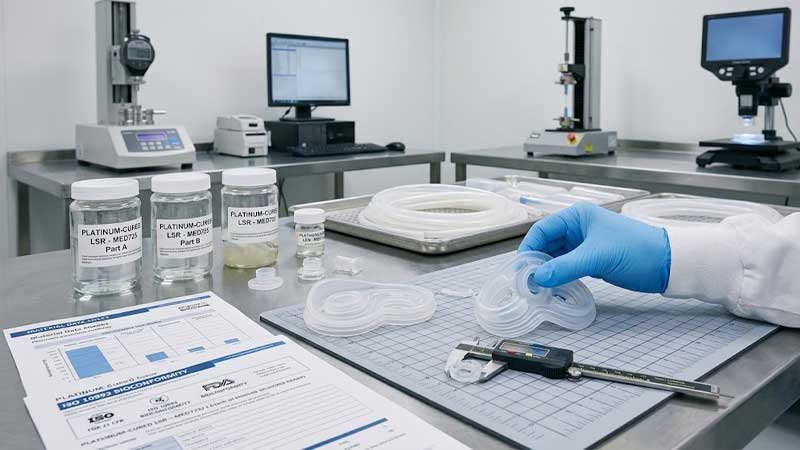
How to Clean Medical Grade Silicone Components
The correct cleaning method depends on the product application, contamination level, and sterilization requirements. In most cases, cleaning removes visible contaminants before a deeper disinfection or sterilization process is performed.
Medical silicone components should generally be cleaned using methods that remove contaminants without damaging the silicone surface. Mild cleaning agents and soft cleaning tools are commonly preferred because they help maintain the original surface quality and mechanical performance.
For reusable medical products, warm water combined with mild detergent is often used as an initial cleaning step. The silicone surface should be rinsed thoroughly after cleaning to remove chemical residues.
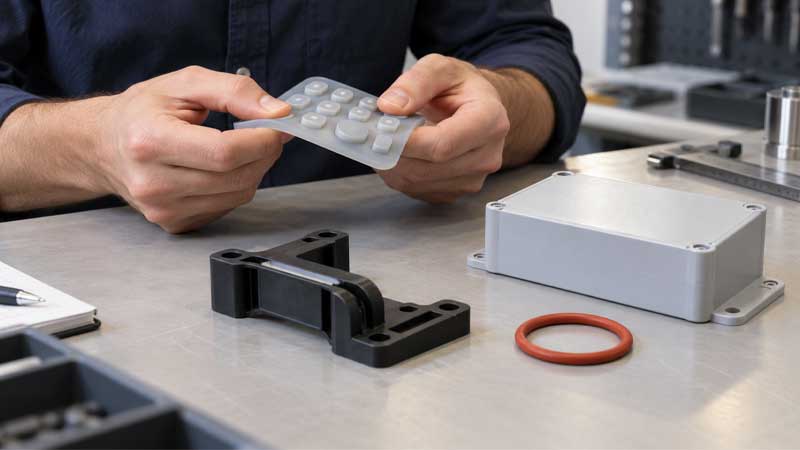
Alcohol-based cleaning solutions, such as isopropyl alcohol (IPA), are also commonly used for external silicone surfaces. They are suitable for many medical equipment components because they can reduce microorganisms and evaporate quickly. Silicone keypads, protective covers, and equipment housings often use this type of surface cleaning method because these components require frequent disinfection during daily operation.
However, cleaning chemical compatibility should always be considered during product development. Although silicone has excellent chemical resistance, long-term exposure to certain solvents or aggressive chemicals may affect surface appearance or mechanical properties.
During OEM silicone manufacturing projects, engineers typically review the customer’s cleaning procedures, sterilization cycles, and operating environment before selecting silicone formulations and production methods. This early evaluation helps reduce risks during later validation.
Sterilization Methods for Medical Grade Silicone
Medical silicone products often require sterilization to eliminate microorganisms before use or reuse. Platinum-cured silicone is frequently selected because it can withstand multiple sterilization methods while maintaining flexibility and sealing performance.
The most suitable sterilization method depends on the product type, intended use, and required service life.
Autoclave Sterilization
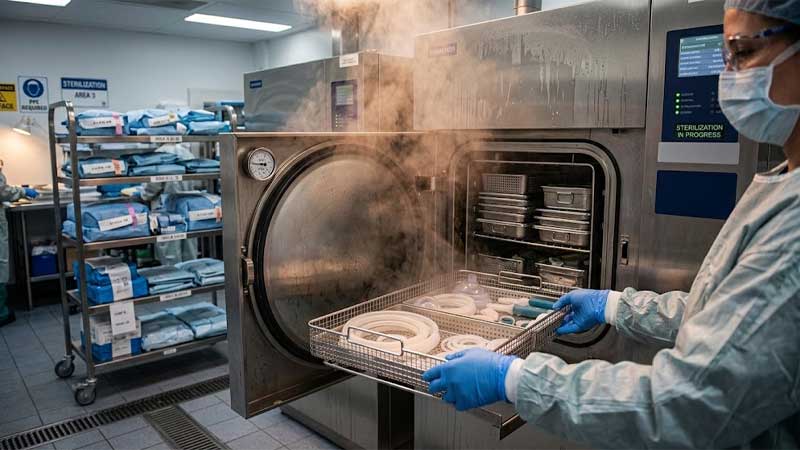
Autoclave sterilization uses high-temperature steam under pressure to destroy microorganisms. It is one of the most common sterilization methods for reusable medical devices.
Medical grade silicone performs well in autoclave environments because silicone materials can maintain elasticity and dimensional stability under high temperatures. Products such as silicone tubing, seals, and medical equipment components are often designed for repeated steam sterilization.
For reusable silicone parts, manufacturers must consider the number of sterilization cycles during development. Repeated exposure to heat and moisture may influence long-term performance, especially for components requiring precise sealing or mechanical movement.
Gamma Radiation Sterilization
Gamma radiation is commonly used for disposable medical products that require sterilization before delivery. This method can sterilize packaged products without opening the package.
When silicone components are exposed to radiation, manufacturers need to evaluate possible changes in mechanical strength, color stability, and elasticity. Material testing helps confirm that silicone maintains the required performance after sterilization.
Dry Heat Sterilization
Dry heat sterilization removes microorganisms through high temperatures without steam. Silicone materials are naturally resistant to heat, making them suitable for certain high-temperature medical applications.
However, sterilization temperature and exposure duration must be controlled carefully. Excessive heat exposure over long periods may accelerate material aging and affect product lifespan.
Chemical Sterilization
Chemical sterilization is used for medical products where high-temperature methods are unsuitable. Silicone compatibility with sterilizing chemicals depends on the specific formulation, chemical concentration, and exposure time.
Before production, silicone manufacturers should verify that the selected material can maintain its physical properties after repeated chemical exposure.
Design Considerations for Easy Cleaning and Sterilization of Medical Silicone Components
Cleaning and sterilization performance is influenced by both silicone material selection and component design. A medical silicone part may have excellent chemical resistance, but poor geometry or manufacturing defects can still create cleaning challenges.
Material Selection and Sterilization Compatibility
Different silicone formulations have different resistance to chemicals, heat, and radiation. For reusable medical components, engineers need to consider the expected cleaning agents, sterilization method, and number of sterilization cycles before selecting the silicone grade.
Platinum-cured LSR is commonly used in medical applications because of its high purity and stable performance under repeated exposure to heat and disinfectants. However, material selection should match the specific application requirements rather than relying only on general silicone properties.
For example, components exposed to frequent autoclave cycles require stable compression performance and elasticity, while disposable medical products may focus more on biocompatibility and manufacturing consistency.
Component Design for Better Cleaning Performance
Product geometry directly affects whether contaminants can be removed effectively. Medical silicone components should avoid unnecessary gaps, sharp transitions, or difficult-to-clean areas where biological residues may accumulate.
Important design considerations include:
- Smooth surface finishes that reduce contamination buildup
- Proper sealing structures that prevent fluid ingress
- Controlled wall thickness for consistent sterilization performance
- Optimized geometries that allow easier cleaning access
During DFM review, SKF engineers evaluate sealing areas, mold parting lines, flash control, and product structure to reduce potential contamination risks before production.
Medical Applications Requiring Cleanable and Sterilizable Silicone Components
Medical silicone is used in applications where components must maintain performance after repeated exposure to cleaning agents and sterilization processes.
In medical equipment, silicone tubing and seals provide reliable fluid control and protection against contamination. These components often require repeated cleaning cycles while maintaining flexibility and sealing performance.
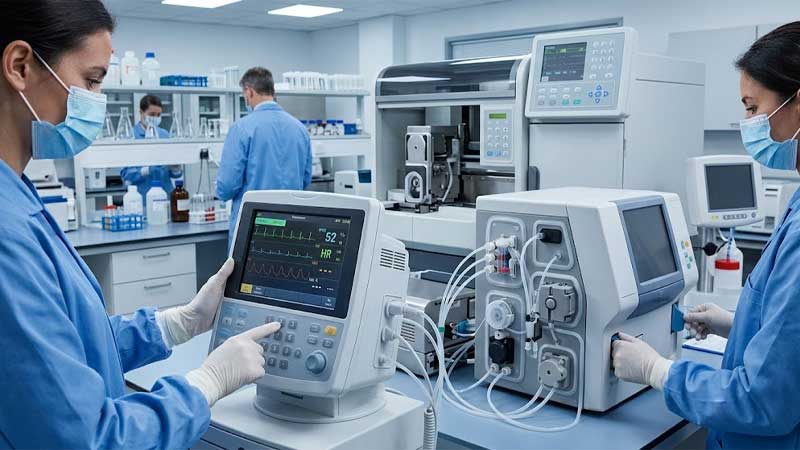
Silicone keypads and control interfaces are used in diagnostic equipment, patient monitoring systems, and laboratory instruments. Their sealed structure helps protect internal electronics while allowing operators to disinfect the surface frequently.
Protective covers, membranes, and custom silicone molded parts are also widely used in healthcare devices where hygiene, durability, and material stability are essential.
Frequently Asked Questions About Cleaning and Sterilizing Medical Grade Silicone
Can medical grade silicone be cleaned with alcohol?
Yes. Medical grade silicone generally has good resistance to alcohol-based cleaners such as isopropyl alcohol (IPA), making them suitable for many medical applications. However, if the silicone component includes coatings, printed markings, adhesives, or other materials, compatibility testing is recommended to ensure long-term performance.
Can bleach damage medical grade silicone?
Medical grade silicone can usually withstand properly diluted bleach solutions, but excessive concentration or prolonged exposure may affect surface appearance and long-term durability. The appropriate bleach concentration, contact time, and cleaning frequency should be validated based on the specific application.
Can medical grade silicone be sterilized in an autoclave?
Yes. Platinum-cured medical grade silicone is commonly used for autoclave-compatible medical components because it can withstand high-temperature steam sterilization. However, repeated sterilization cycles should be evaluated to confirm that properties such as elasticity, compression set, and sealing performance remain stable.
What is the best way to clean medical grade silicone?
The best cleaning method depends on the application and type of contamination. Mild detergent and water are commonly used for routine cleaning, while alcohol, hydrogen peroxide, or other disinfectants may be selected for microbial control. Medical applications should always follow validated cleaning procedures recommended for the specific product.
How often should medical silicone components be sterilized?
The sterilization frequency depends on the product type, usage environment, and whether the component is reusable or disposable. Reusable medical devices that contact bodily fluids may require sterilization after each use, while external silicone components may follow scheduled disinfection procedures based on healthcare requirements.
Can medical grade silicone withstand repeated sterilization cycles?
Yes, many medical grade silicone materials are designed to withstand repeated sterilization cycles. However, long-term performance depends on factors such as silicone formulation, sterilization method, temperature, exposure time, and product design. Validation testing is recommended for components requiring frequent sterilization.
What cleaning chemicals should be avoided on medical silicone?
Strong solvents, highly concentrated chemicals, and unverified cleaning agents should be avoided because they may affect silicone surfaces or other materials used in the assembly. Before selecting a cleaning solution, manufacturers should evaluate chemical compatibility with the complete component.
Does ultrasonic cleaning work for medical silicone components?
Yes. Ultrasonic cleaning can be effective for removing particles and contaminants from medical silicone components with complex structures. However, the cleaning solution, ultrasonic parameters, and component design should be evaluated to ensure the process does not affect silicone performance.
How can I extend the service life of medical silicone components after cleaning and sterilization?
Following validated cleaning procedures, using compatible disinfectants, avoiding abrasive cleaning tools, and regularly inspecting components can help extend service life. Medical silicone parts should be checked for cracks, discoloration, deformation, or reduced elasticity after repeated use.
Is platinum-cured LSR better for sterilizable medical silicone applications?
Platinum-cured LSR is widely used in medical applications because of its high purity, stable performance, and resistance to heat and chemicals. It is often selected for components requiring repeated cleaning and sterilization, including seals, tubing, protective covers, and silicone keypads.
Conclusion
Proper cleaning and sterilization are essential for maintaining the safety, appearance, and performance of medical grade silicone components. Selecting suitable cleaning agents, controlling exposure conditions, and following validated sterilization procedures help prevent premature material degradation and extend product service life.
SKF provides medical silicone solutions designed for healthcare applications that require reliable cleaning and sterilization performance. From platinum-cured LSR components to custom silicone keypads and sealing parts, SKF supports customers with material selection and manufacturing expertise to develop silicone products that withstand demanding medical environments.