
Precision Manufacturing
Reliable Silicone Keypads for Steering Wheel
Custom Automotive Design
Long Cycle Durability
Consistent Tactile Feedback
OEM Manufacturing Support
Challenges in Steering Wheel Interfaces
We design silicone keypads based on measurable engineering parameters, not guesswork.
Limited Installation Space
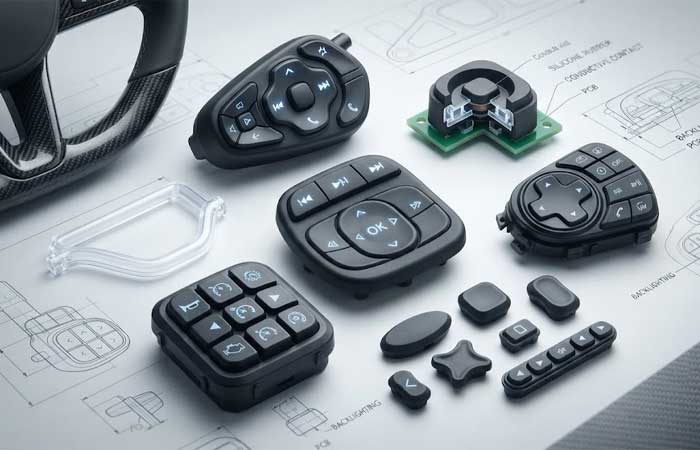
Steering wheels have highly compact internal structures with strict space limitations for electronic components. Keypad designs must fit within narrow areas while maintaining proper button layout, mechanical stability, and user accessibility. Any increase in component size can affect the overall steering wheel structure and integration.
Frequent Mechanical Stress and Wear
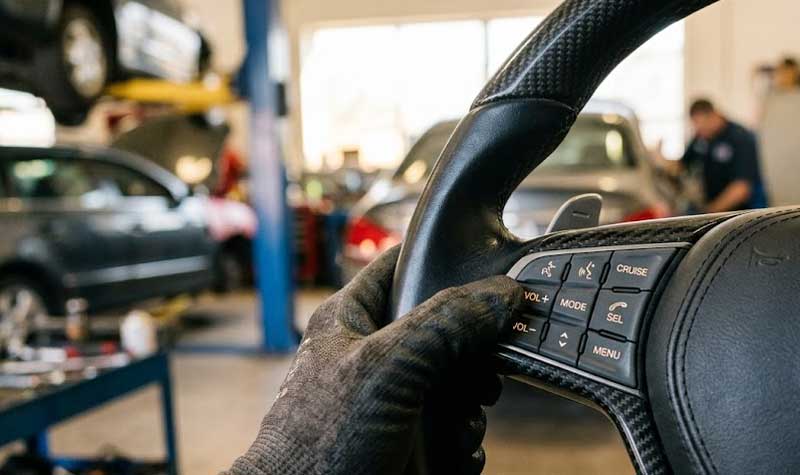
Steering wheel buttons are used repeatedly during driving, with thousands of presses over the product lifecycle. Continuous mechanical stress can lead to button deformation, reduced tactile feedback, surface wear, and inconsistent operation if the interface materials and structure cannot withstand long-term use.
Temperature and Environmental Changes
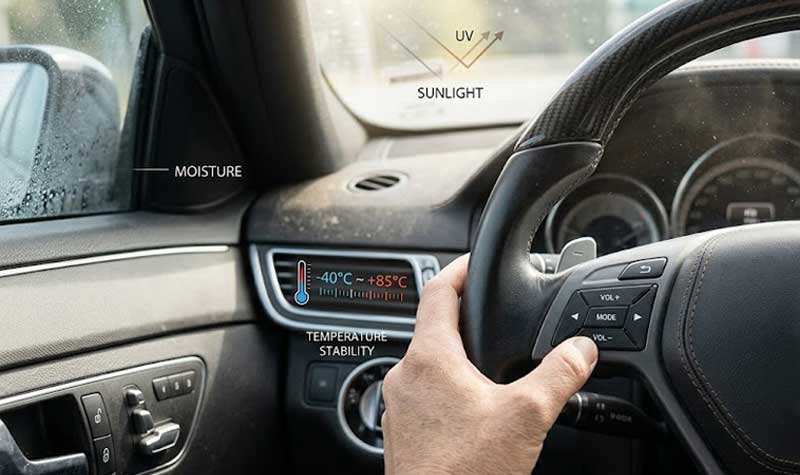
Steering wheel interfaces operate in vehicles exposed to a wide temperature range, including hot sunlight, cold weather, and rapid temperature changes. Materials and components need to maintain stable performance without aging, cracking, or losing functional reliability under different environmental conditions.
Reliable User Feedback and Control Accuracy
Drivers need clear and predictable button responses without taking attention away from the road. Inconsistent actuation force, unclear tactile feedback, or delayed response can reduce user confidence and affect the overall driving experience.
Engineered Silicone Keypad Solutions for Steering Wheel

Sector 01
Compact Design for Space-Constrained Integration
- Thin and lightweight structure: Silicone keypad designs can be customized with optimized thickness and geometry to fit compact steering wheel assemblies without adding unnecessary bulk.
- Flexible layout customization: Button positions, shapes, sizes, and key spacing can be adjusted according to different steering wheel designs and control requirements.
- Easy integration with electronics: Custom conductive structures and contact designs support smooth integration with PCB, FPC, and other electronic control systems.
- Optimized component arrangement: Detailed structural design helps maximize available space while maintaining comfortable user operation.
Sector 02
Long-Life Durability for Frequent Button Operation
- High cycle life performance: Durable silicone materials and optimized rubber structures support millions of repeated presses while maintaining button functionality.
- Stable tactile response: Carefully designed silicone webbing and actuator structures help maintain consistent force feedback after long-term operation.
- Wear-resistant surface options: Surface treatments and printing technologies improve resistance against abrasion, fingerprints, and daily handling.
- Reliable mechanical recovery: Elastic silicone properties allow buttons to return quickly to their original position after each press.
Sector 03
Temperature and Environmental Resistance
- Wide temperature tolerance: Silicone materials maintain flexibility and mechanical properties in both high and low temperature conditions.
- Resistance to aging factors: Silicone rubber offers excellent resistance to ozone, UV radiation, and environmental aging.
- Protection against moisture and contaminants: Custom sealing structures help improve resistance to dust, water, and daily environmental exposure.
- Consistent performance over vehicle lifespan: Material stability reduces the risk of cracking, deformation, or performance changes during long-term use.
Sector 04
Precise Tactile Feedback and User Control
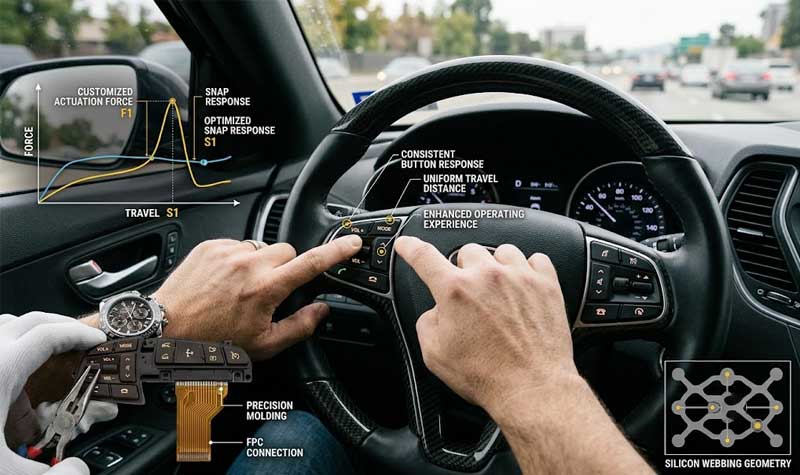
- Customized actuation force: Different force levels can be designed to match driver preferences and application requirements.
- Optimized snap response: Silicone webbing geometry can be adjusted to create clear tactile feedback with a defined click feeling.
- Consistent button response: Precise molding processes help maintain uniform force and travel distance across multiple buttons.
- Enhanced operating experience: Balanced tactile performance improves control accuracy and user confidence during driving.

Sector 05
Custom Manufacturing for Automotive Interface Requirements
- Multiple surface finishing options: Supports laser etching, screen printing, coating, and other processes to achieve required appearance and durability.
- Custom conductive solutions: Conductive carbon pills, printed conductive layers, and other contact methods can be selected based on circuit requirements.
- Multi-color and backlighting compatibility: Supports illuminated symbols and customized visual designs for modern vehicle interiors.
- Strict production consistency: Advanced molding, inspection, and quality control processes ensure stable performance across production batches.
Typical Steering Wheel Applications
Passenger Vehicles
Commercial Vehicles
Off-Road and Specialty Vehicles
New Energy and Smart Vehicles
Technical Specifications for Steering Wheel Silicone Keypads
| Property (Attribute) | Standard Automotive Value | Engineering Significance / Compliance |
| Base Material | High-Consistency Silicone Rubber (HCR) | Offers high-rebound elasticity and stable mechanical properties over long service life. |
| Flammability / Safety | FMVSS 302 / ISO 3795 Compliant | Strictly mandatory burn-rate certification for automotive cockpit interior components. |
| Tactile Force Tolerance | ± 15g to ± 20g (Ultra-Tight) | Ensures perfectly uniform button feedback across the entire left/right control arrays. |
| Operating Temp | -40°C to +85°C (Sustained Cabin Limits) | Resists brittle cracking in freezing winters and thermal sagging under direct windshield heat. |
| Surface Protective Coating | Soft-Touch PU / Anti-Fingerprint Matte Finish | Delivers a premium, non-sticky luxury texture that resists abrasion from fingernails. |
| Chemical Resistance | Hand Creams, Sunscreen, Sweat, Interior Cleaners | Prevents rubber swelling, stickiness, or paint peeling caused by daily skin lotion contact. |
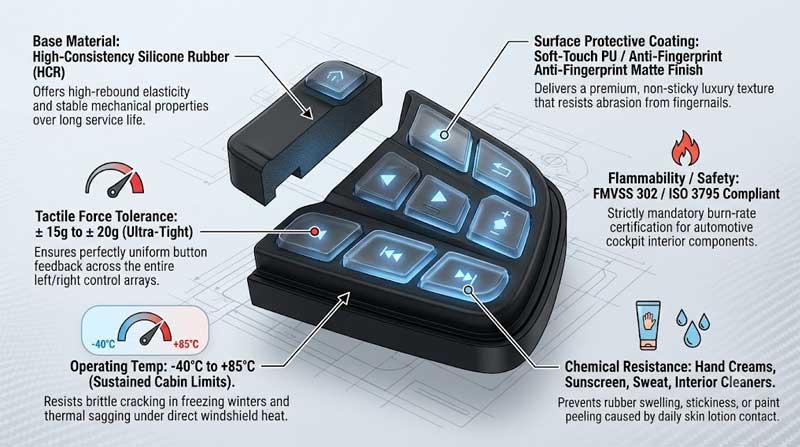
All parameters can be customized based on your equipment design and user interaction requirements.
Custom Steering Wheel Silicone Keypad Design Options
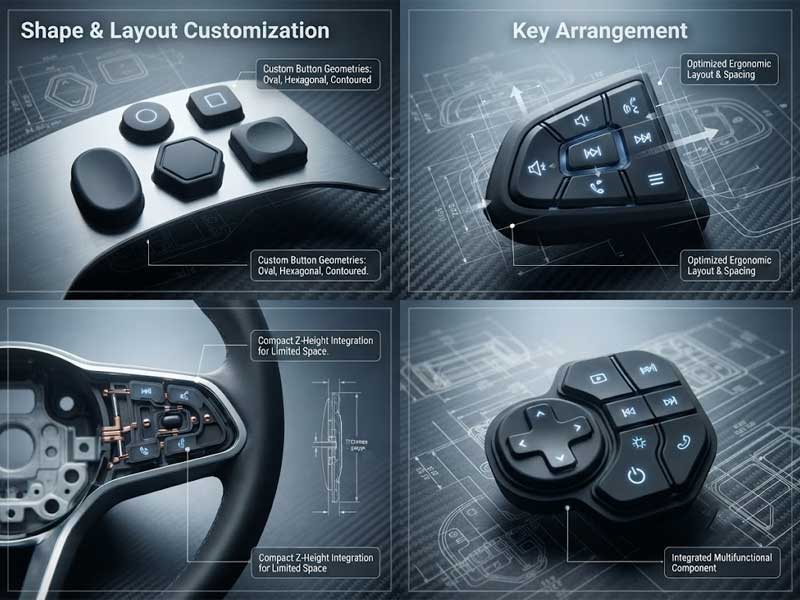
- Button shape and size: Custom round, square, oval, or unique-shaped buttons can be designed according to the steering wheel appearance and functional requirements.
- Key arrangement: Button positions, spacing, and layouts can be optimized for intuitive operation and comfortable driver access.
- Compact structure design: Silicone keypad dimensions and internal structures can be adjusted to fit limited installation spaces inside steering wheel assemblies.
- Integrated design support: Custom designs can combine multiple buttons, symbols, and functional areas into a single silicone keypad component.
- Graphic marking options: Supports screen printing, laser etching, pad printing, and other marking methods for icons, symbols, and text.
- Backlighting design: Transparent silicone areas and light-guiding structures can be customized for illuminated buttons used in smart vehicle interfaces.
- Color matching: Silicone materials can be produced in different colors to match vehicle interior designs and brand requirements.
- Surface finishing: Options such as matte, glossy, textured, or coated surfaces help achieve specific appearance and touch requirements.

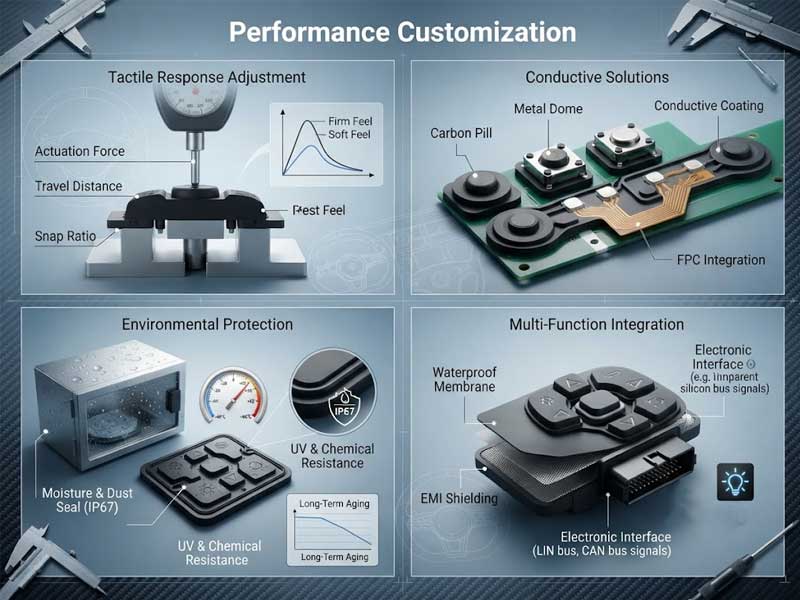
- Tactile response adjustment: Actuation force, travel distance, and snap feel can be customized to provide the desired button feedback.
- Conductive solutions: Different conductive pills, carbon contacts, or conductive coatings can be selected based on PCB and circuit design requirements.
- Environmental protection: Silicone material selection and structural designs can be optimized for resistance against temperature changes, moisture, dust, and long-term aging.
- Multi-function integration: Supports customized solutions with waterproof structures, EMI shielding, and complex electronic interface requirements.
Steering Wheel Silicone Keypad Manufacturing
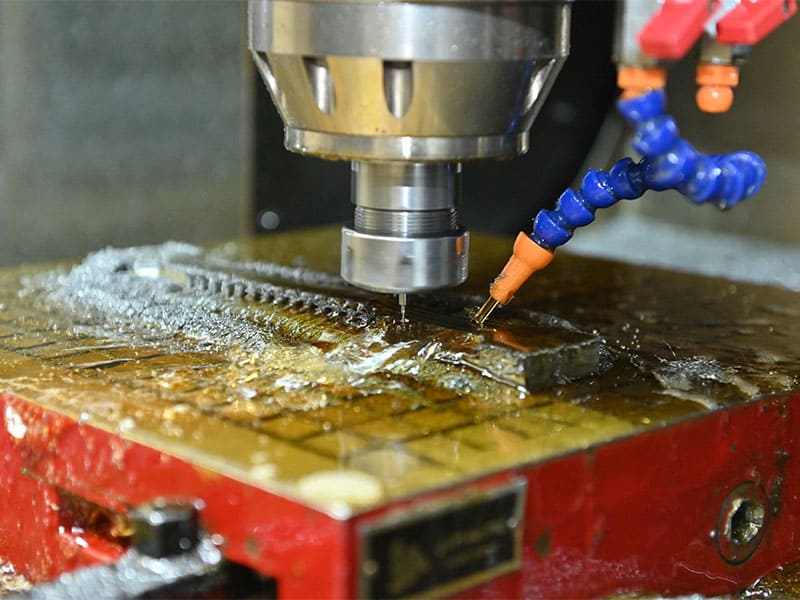
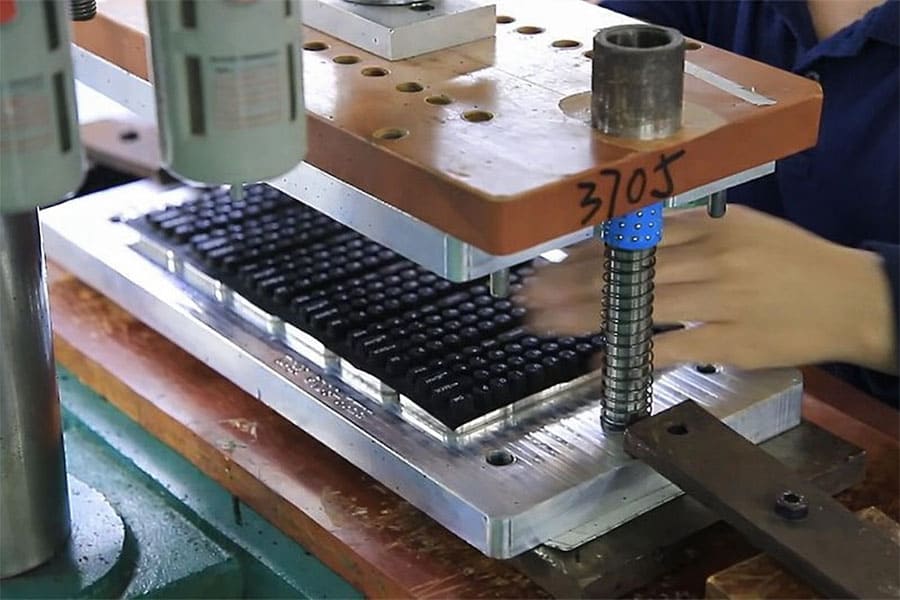
STEP 1: Molding
High-consistency rubber compression for base geometry.
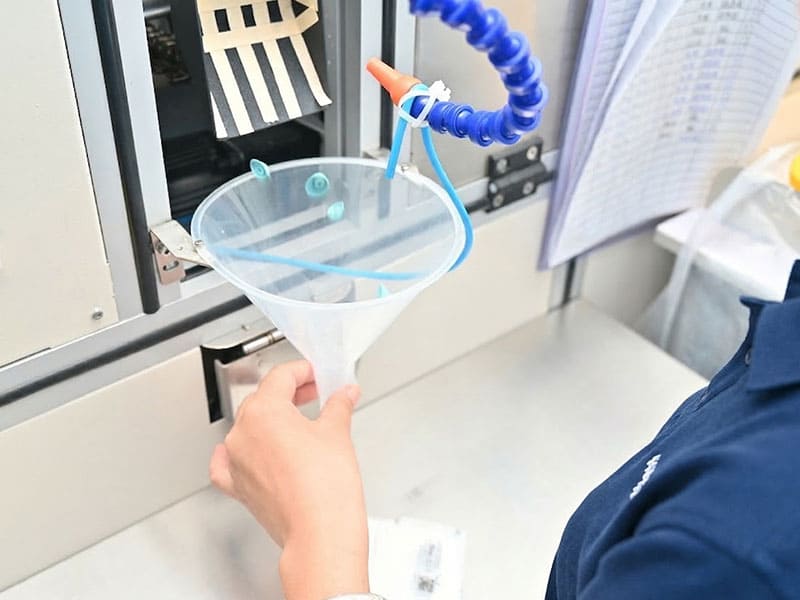
STEP 2:Etching
Laser removal of opaque spray for legend clarity.
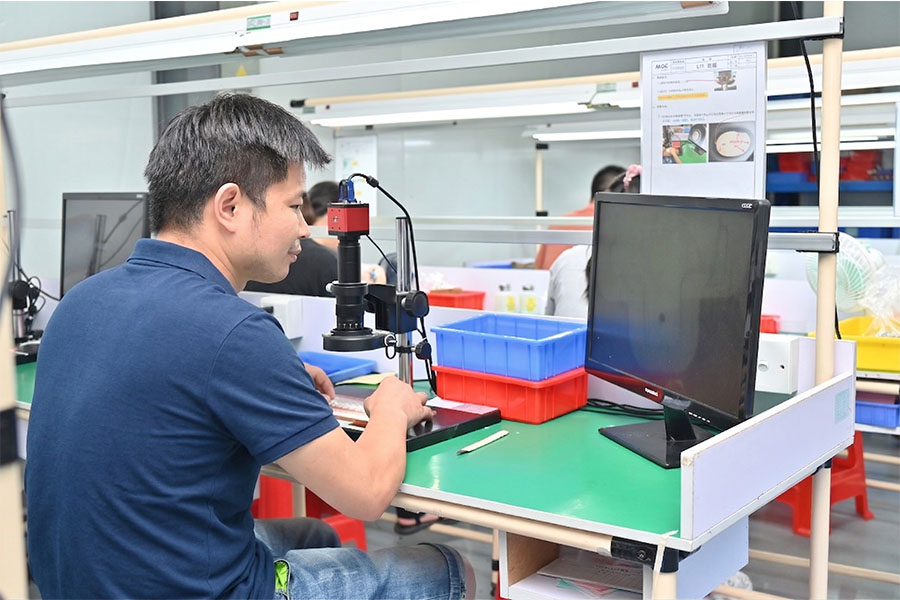
STEP 3:Inspection
Optical check for uniformity and icons.
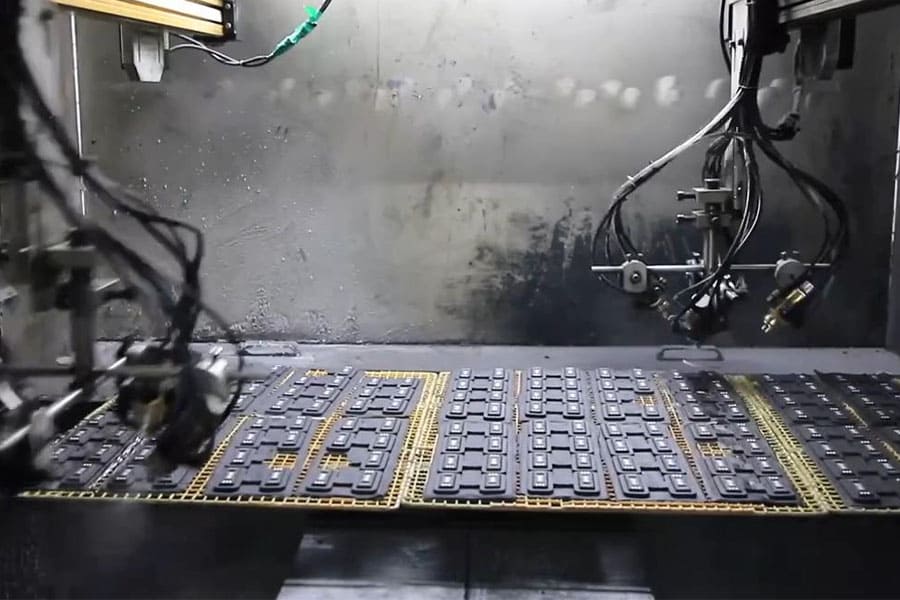
STEP 4:Coating
PU or UV protective layers for abrasion resistance.
STEP 5:Quality Control
Final functional audit and ISO standard approval.
Frequently Asked Questions
What are steering wheel silicone keypads used for?
Can steering wheel silicone keypads be customized for different vehicle models?
What tactile options are available for automotive silicone keypads?
Are steering wheel silicone keypads suitable for harsh automotive environments?
What manufacturing processes are available for custom steering wheel silicone keypads?