
Precision Manufacturing
Reliable Silicone Keyboard for Laptop
Slim Profile Design
Consistent Tactile Feedback
Custom Keyboard Layouts
OEM Manufacturing Support

Challenges in Laptop Interfaces
We design silicone keypads based on measurable engineering parameters, not guesswork.
Limited Internal Space for Thin Device Designs
Modern laptops require extremely thin input components that fit within compact housings. Traditional keyboard structures may increase thickness, while silicone keyboards need precise molding control to maintain flexibility and structural stability in limited installation space.
Inconsistent Key Feel Across Different Positions
Laptop keyboards contain many keys with different sizes and functions. Without optimized silicone geometry, larger keys may feel softer while smaller keys may require excessive force, creating an uneven typing experience.
Wear and Legend Durability During Daily Use
Laptop keyboards experience thousands of presses every day. Printed characters, surface coatings, and key structures must withstand repeated finger contact while maintaining clear appearance and stable performance.
Protection Against Dust and Liquid Exposure
Portable computers are frequently used in offices, travel environments, and public spaces. Keyboard components must reduce the risk of dust accumulation and accidental liquid damage affecting internal electronics.
Engineered Silicone Keyboard Solutions for Laptop Applications

Sector 01
Optimized Thin Silicone Structure
- Silicone rubber design allows manufacturers to create lightweight keyboard assemblies with reduced thickness compared with traditional mechanical structures.
- Dome geometry, diaphragm thickness, and material hardness are adjusted together to achieve the required key response within limited device space.
- During production, diaphragm thickness is carefully controlled because even small variations can change collapse force and create inconsistent typing feedback between keys.
Sector 02
Reliable Tactile Feedback Performance
- Custom silicone formulations provide stable elasticity for smooth key return and comfortable typing operation.
- Key force curves can be tuned by adjusting silicone hardness, dome height, and webbing structure.
- Each key position can be evaluated separately because space bar, enter, and function keys often require different structural support compared with standard letter keys.

Sector 03
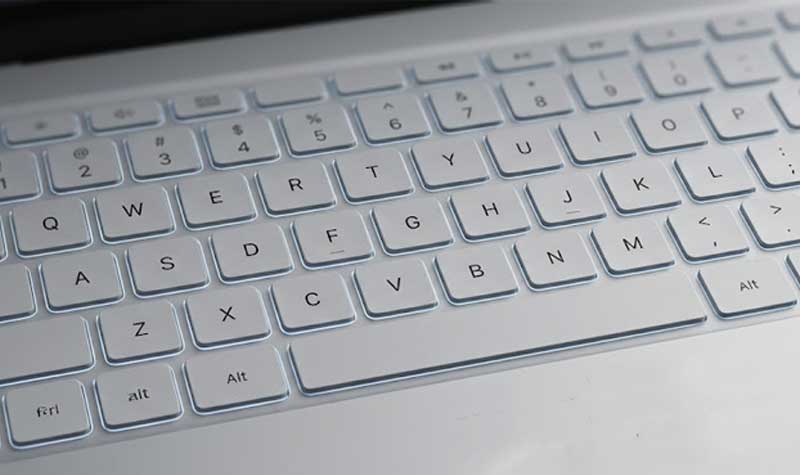
Durable Surface and Legend Solutions
- Surface treatments improve resistance against finger oils, abrasion, and repeated cleaning.
- Screen printing, laser etching, and coating technologies create durable legends for long-term readability.
- Small legends require precise printing alignment. Experienced manufacturers control mold positioning and printing registration to prevent blurred symbols or uneven placement after assembly.
Sector 04
Sealed Protection Design
- Silicone keyboards naturally provide a flexible barrier layer that helps reduce dust and moisture entering the device.
- Custom sealing structures can be integrated around key areas to improve environmental protection.
- Materials can be selected according to the required operating environment, cleaning method, and device application.

Sector 05
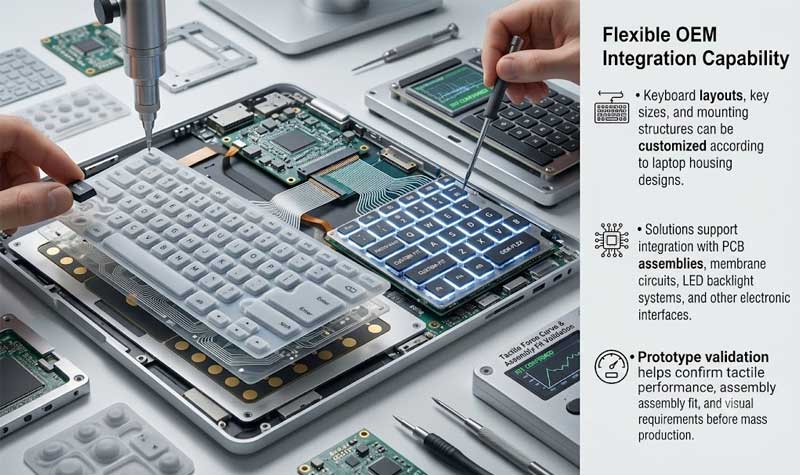
Flexible OEM Integration Capability
- Keyboard layouts, key sizes, and mounting structures can be customized according to laptop housing designs.
- Solutions support integration with PCB assemblies, membrane circuits, LED backlight systems, and other electronic interfaces.
- Prototype validation helps confirm tactile performance, assembly fit, and visual requirements before mass production.
Typical Laptop Applications
Consumer Electronics and Smart Devices
Portable Medical Computers
Industrial Laptops and Rugged Computers
Embedded Computing Systems
Technical Specifications for Laptop Silicone Keyboard
| Parameter | Typical Range / Options |
| Silicone Material | Silicone Rubber, Conductive Silicone Rubber |
| Hardness | Shore A 30–80 |
| Key Travel | 0.3–2.0 mm |
| Actuation Force | 50–250 gf |
| Keyboard Thickness | 0.8–5 mm |
| Operating Temperature | -40°C to 200°C |
| Surface Finish | Matte, Glossy, Textured |
| Legend Options | Screen Printing, Laser Etching, Coating |
| Backlighting | LED Backlight Compatible |
| Circuit Compatibility | PCB, Membrane Switch, FPC |
| Durability | 1 million+ cycles depending on design |
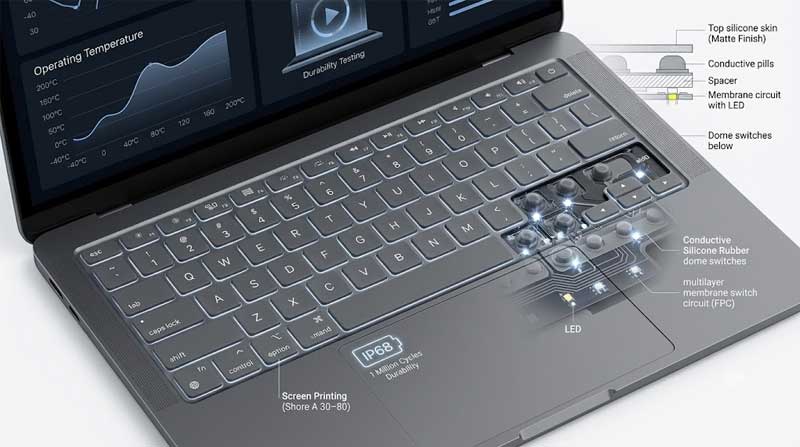
All parameters can be customized based on your equipment design and user interaction requirements.
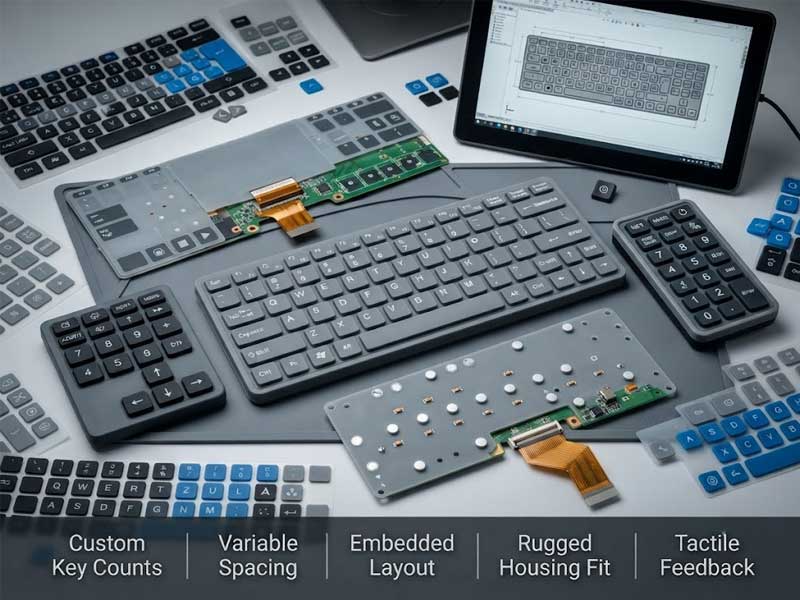
Custom Laptop Silicone Keyboard Design Options
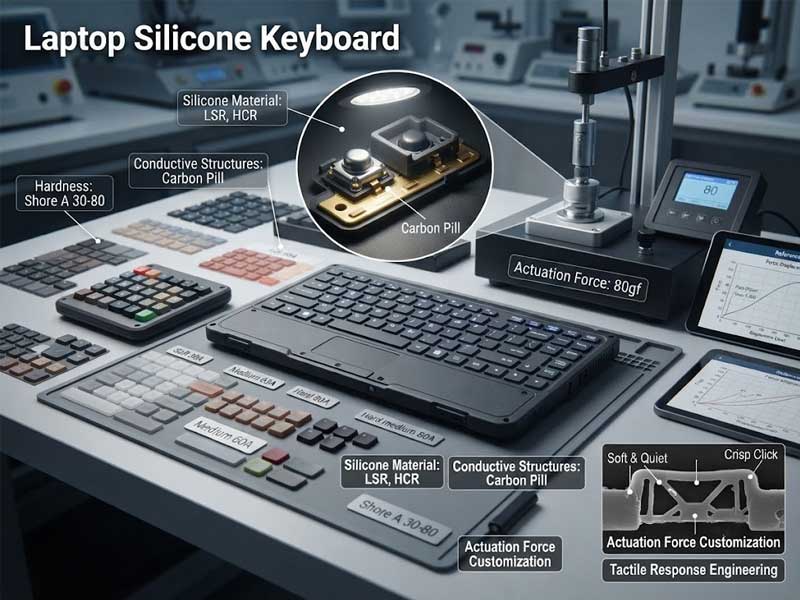

Laptop Silicone Keyboard Manufacturing
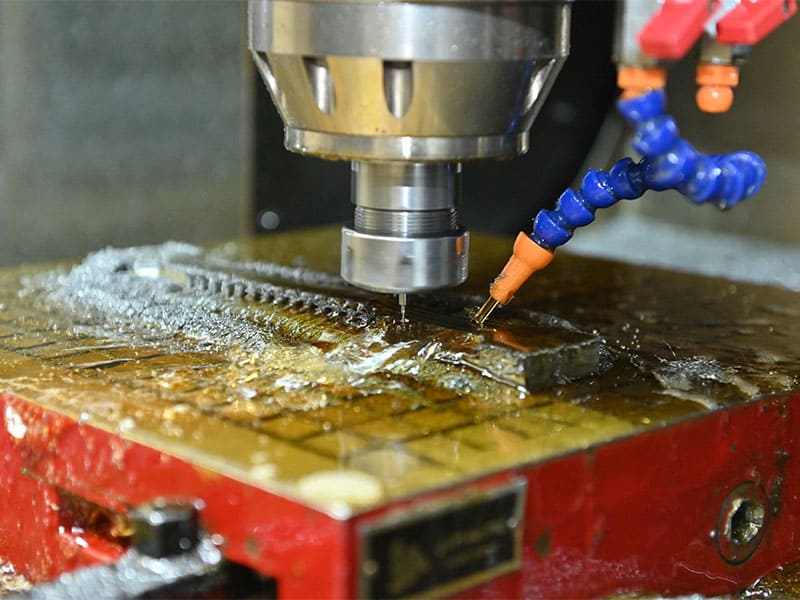
STEP 1: Molding
High-consistency rubber compression for base geometry.
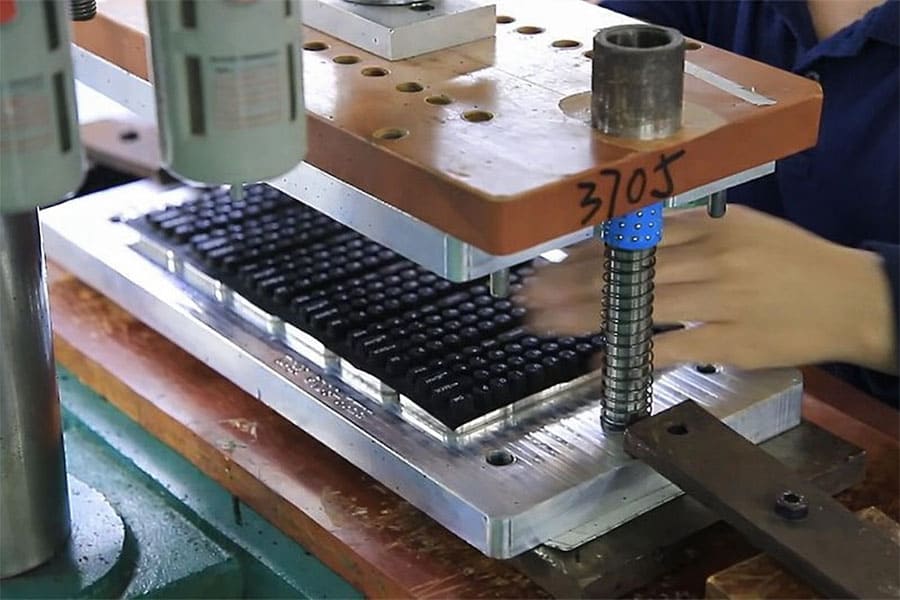
STEP 2:Etching
Laser removal of opaque spray for legend clarity.
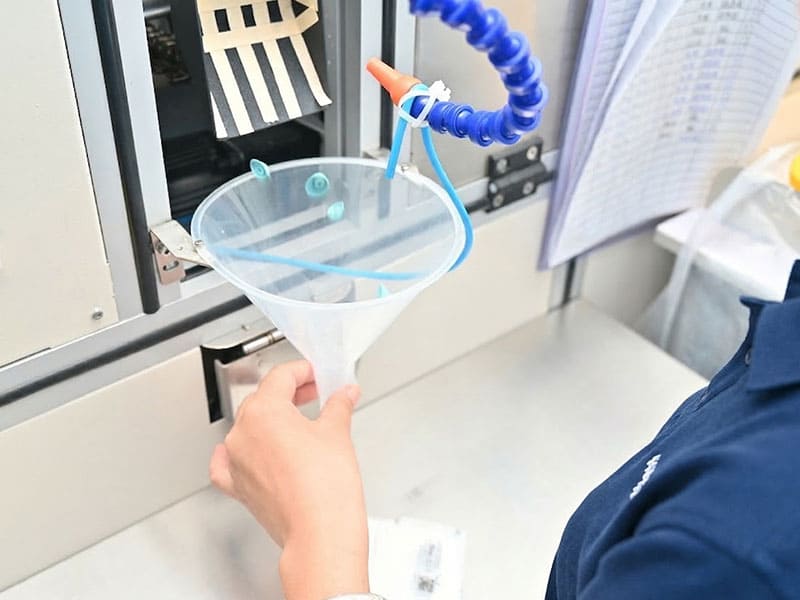
STEP 3:Inspection
Optical check for uniformity and icons.
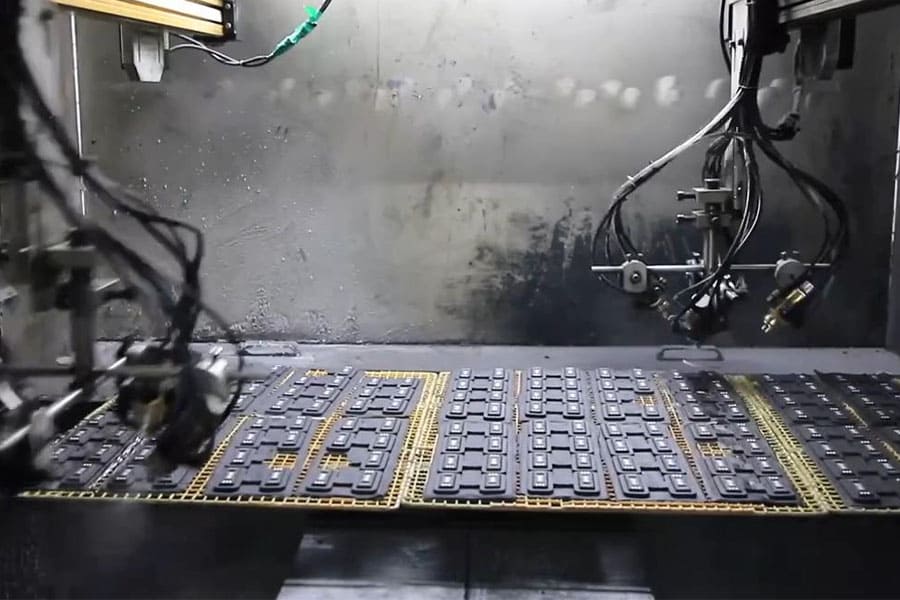
STEP 4:Coating
PU or UV protective layers for abrasion resistance.
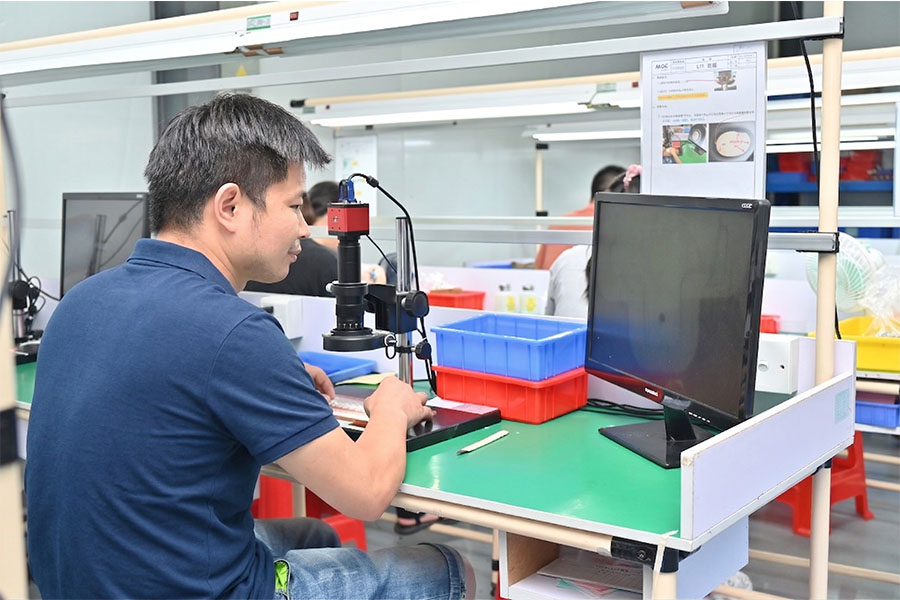
STEP 5:Quality Control
Final functional audit and ISO standard approval.
Frequently Asked Questions
What is the MOQ for custom laptop silicone keyboards?
Can you customize silicone keyboards for different laptop designs?
Which silicone material is suitable for laptop keyboards?
Can silicone keyboards support backlighting?
How do you maintain consistent tactile feedback between keys?
Can you provide testing documents for exported products?